


Cpvc Pipes & Fittings
 Wires & Cables
 Switches & Sockets
 MCB, RCCB & DB
 Conduits, Boxes & Fittings
 Plywood, MDF & HDHMR
 Hinges & Channels
 Kitchen & Wardrobe Hardware
 Door Hardware, Locks & Handles
 Fevicol & Sealants
 Tiling, Waterproofing & Cement
 False Ceiling
 Paints, Putty & Sundries
 Sanitary & Bath Fittings
 Kitchen Sinks & Faucets
 Bath & Kitchen Accessories
 Plumbing Pipes, Fittings & Tanks
 Tools & Accessories
 Lighting
 Fans, Geysers & Invertors
 Bolts, Screws & Fasteners
Sub Categories

Free Delivery*
Earn Fixxly Coins
1 Fixxly Coin = ₹1

30-Min Delivery*





CPVC Pipes & Fittings - Buy CPVC Pipe, Tees, Valves & Solvent Cement Online
CPVC pipe has quietly become the default choice for hot and cold water plumbing in Indian homes, and for good reason. It handles hot water that would soften ordinary PVC, it resists the scale and corrosion that eat into metal pipe, and it installs with a simple solvent-weld joint that needs no threading, no welding torch and no specialist crew. At Fixxly, our CPVC pipes and fittings range is built entirely on Ashirvad - pipe in the common SDR grades, the full family of CPVC fittings including tees, elbows, couplers, reducers and unions, Ashirvad CPVC ball valves, and the Ashirvad solvent cement that actually makes the joints watertight. This guide explains what CPVC is, how CPVC pipe cost is worked out, which fittings you need for a typical run, and how to build a leak-free system the first time.
What is CPVC pipe and why is it used for plumbing?
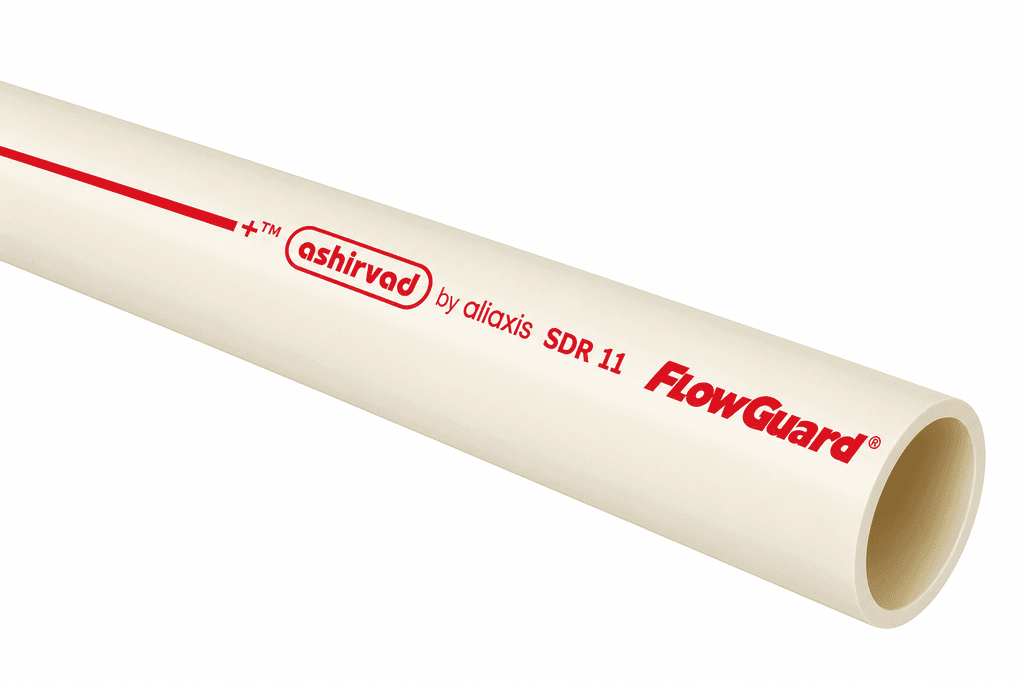
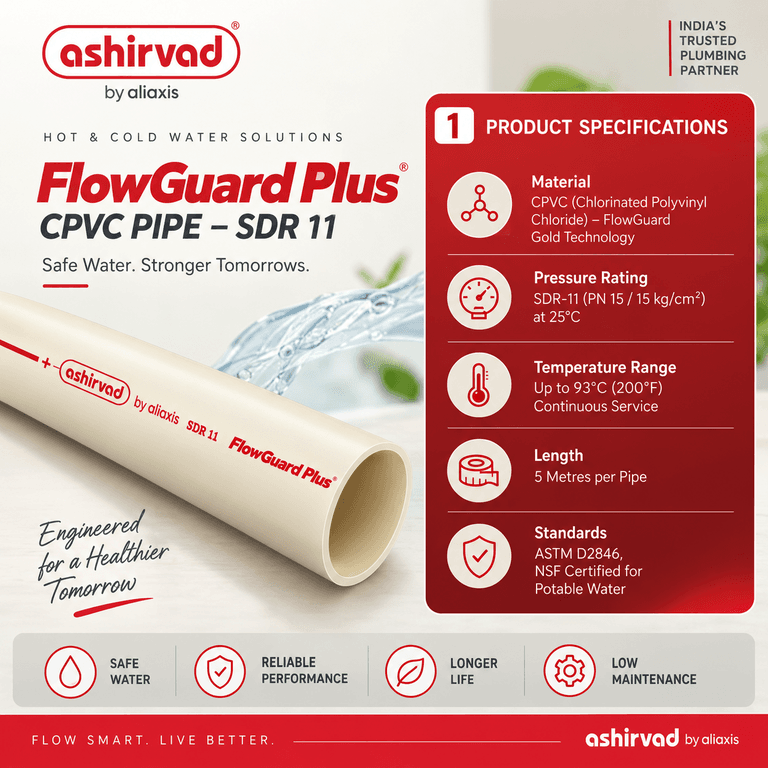
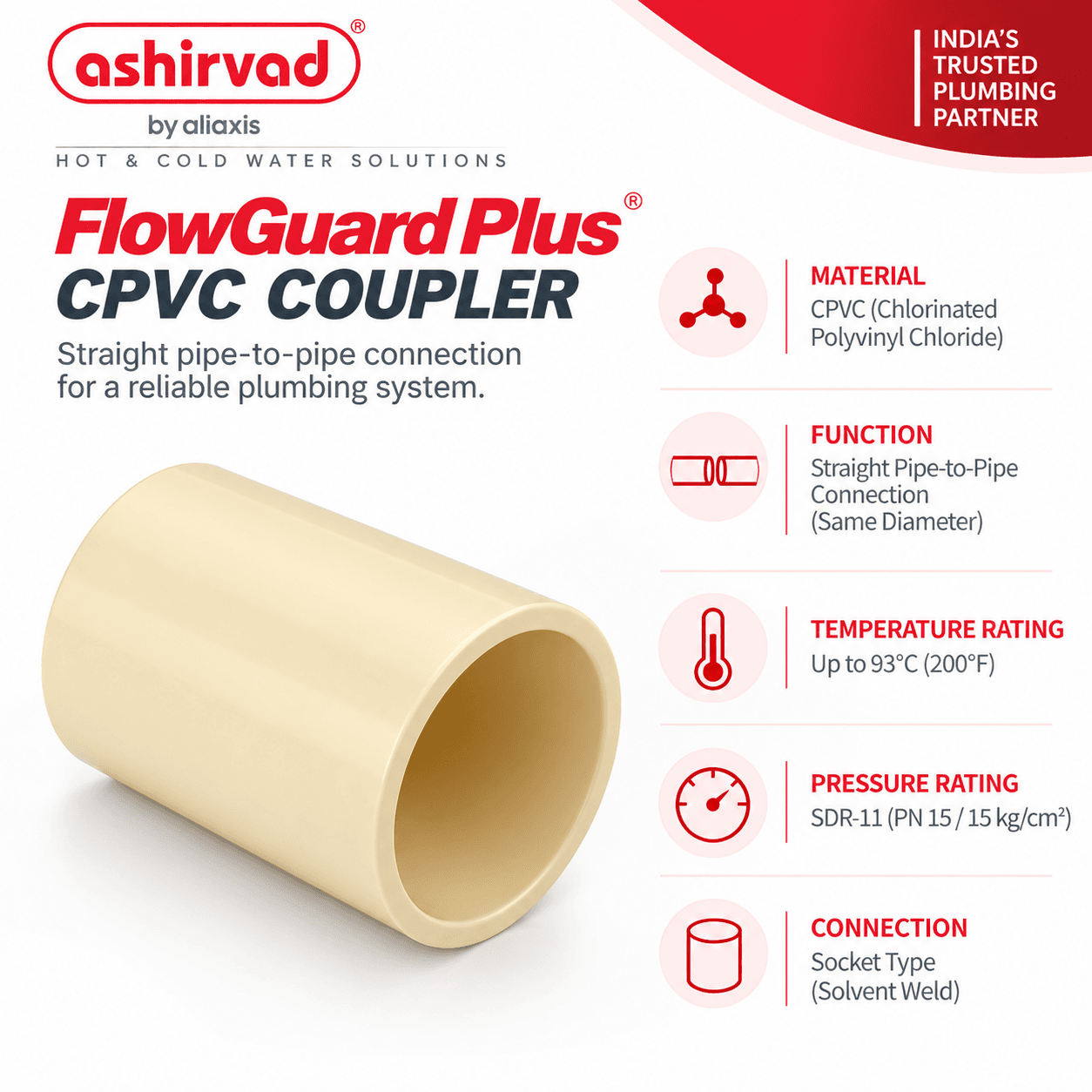
CPVC stands for chlorinated polyvinyl chloride. It is PVC that has been chemically treated to withstand significantly higher temperatures, which is the single most important difference for a home. Ordinary PVC is fine for cold water and drainage, but it deforms under sustained hot water. CPVC pipe is rated for hot water lines up to around 93 degrees Celsius, which is why CPVC pipework is used for both the hot and cold supply from your water heater, overhead tank and pump to every tap, shower and appliance in the house.
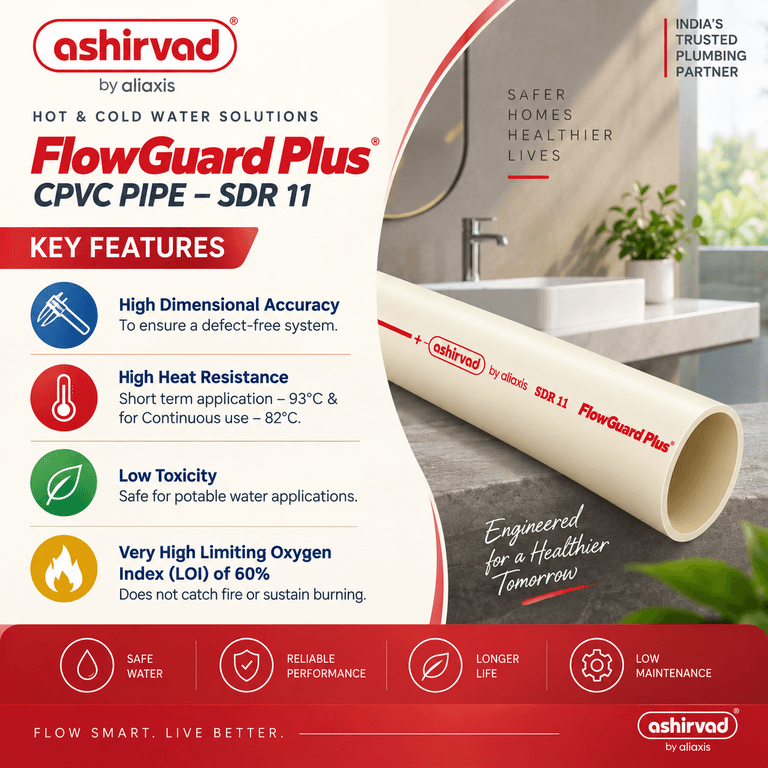
Beyond heat tolerance, CPVC brings a set of advantages that explain why "cpvc pipe" is one of the highest-volume searches in plumbing. It does not rust or corrode, so water stays clean and flow does not drop over the years the way it can in old galvanised iron. Its smooth bore resists scale buildup. It is a poor conductor of heat, so hot water lines lose less warmth in transit. It is lightweight and easy to route through walls and ceilings. And because joints are solvent-welded rather than threaded, a correctly made CPVC joint is effectively as strong as the pipe itself. Fixxly stocks the complete Ashirvad Flowguard Plus CPVC range, so every part of the system comes from one trusted, size-matched manufacturer.
CPVC pipe sizes and grades explained
CPVC pipe for homes generally comes in two sizing systems and a couple of wall thicknesses, and knowing the difference prevents the most common purchasing mistake - buying pipe and CPVC fittings that do not match.
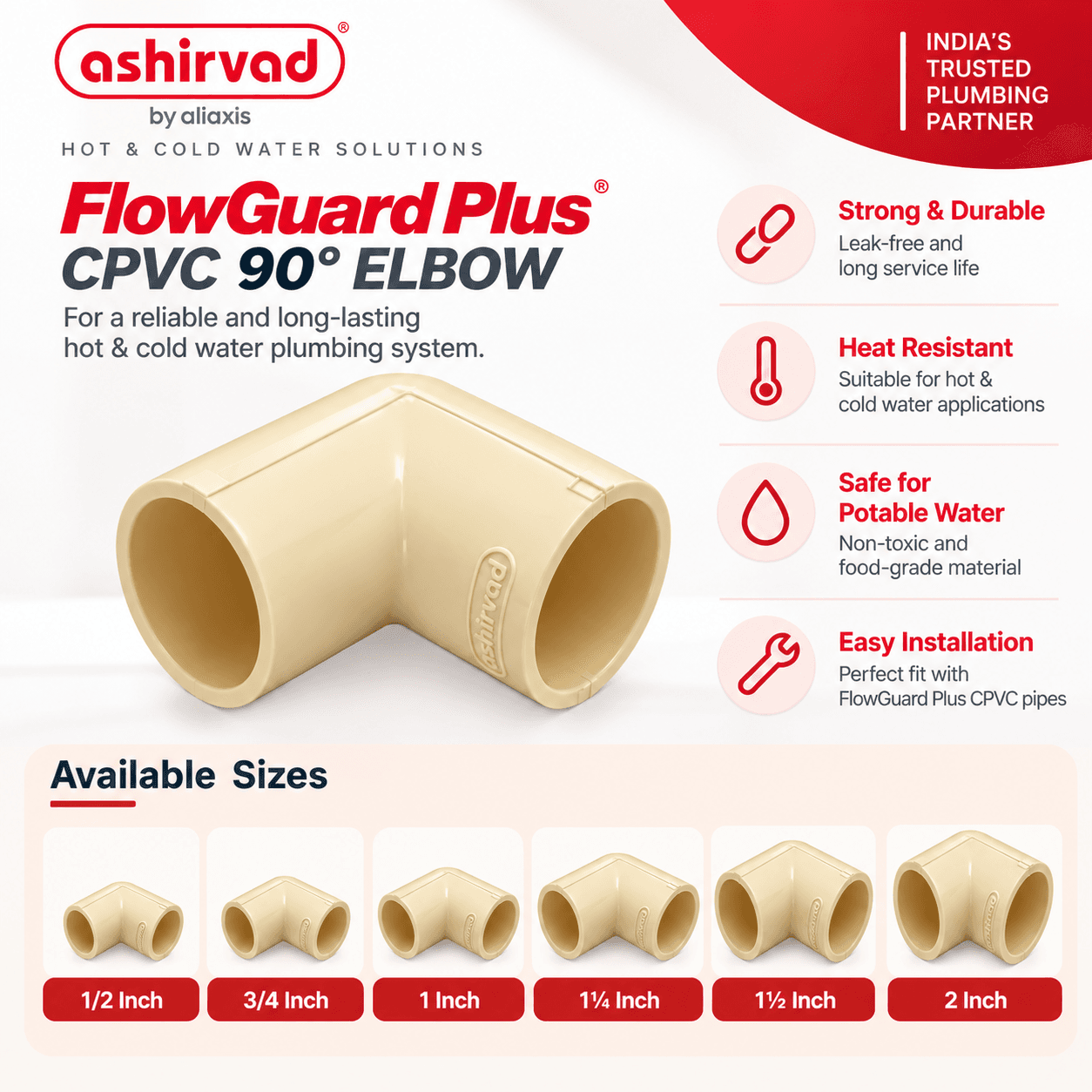
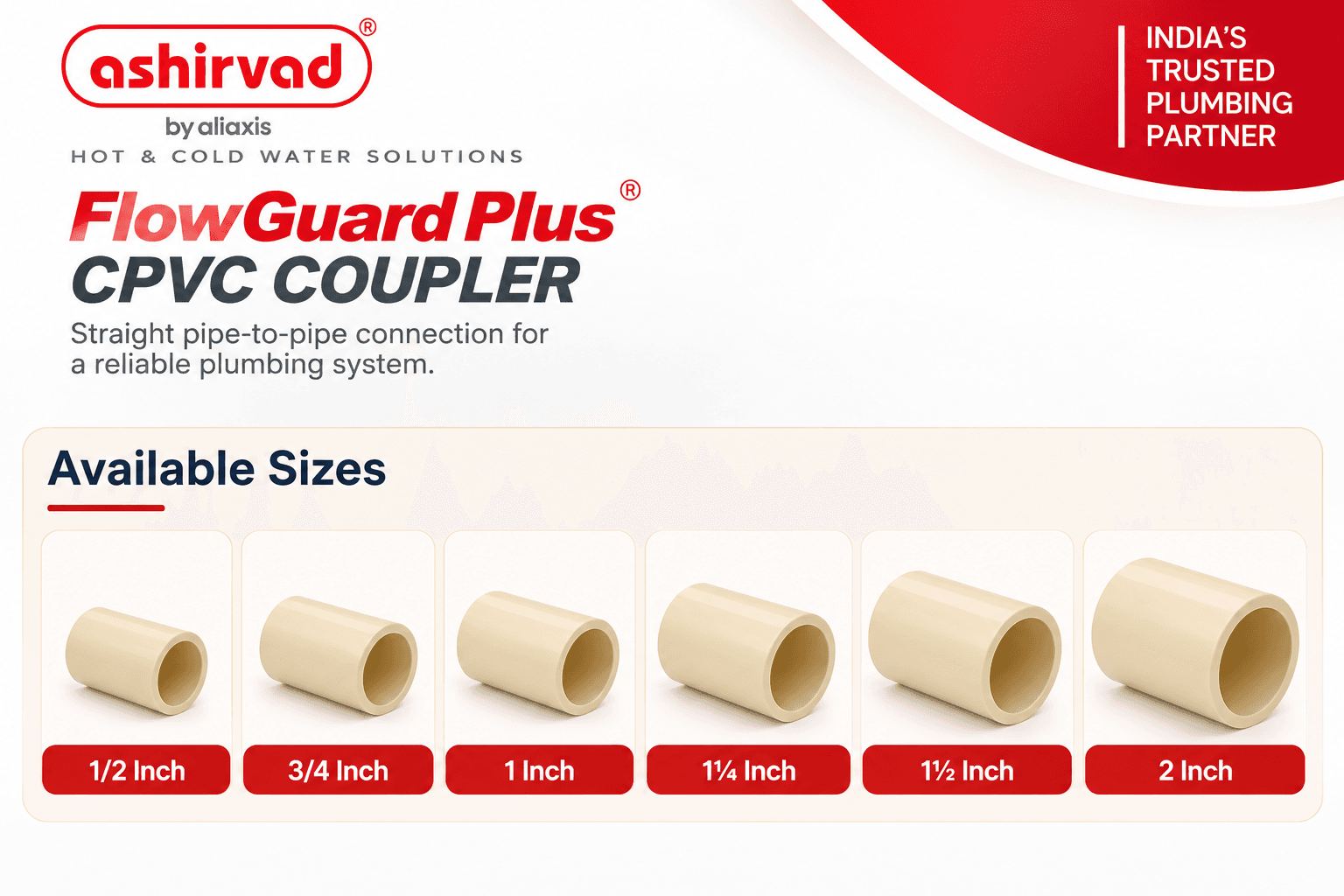
- CTS (Copper Tube Size) CPVC is the standard for residential hot and cold water. Common nominal sizes are 1/2 inch, 3/4 inch and 1 inch for household branches and risers.
- SDR 11 and SDR 13.5 describe the ratio of diameter to wall thickness. A lower SDR number means a thicker wall and a higher pressure rating; SDR 11 is the common heavy-duty residential choice.
- Larger diameters exist for main lines and light commercial use, but most home plumbing is built from 1/2 inch and 3/4 inch pipe with the occasional 1 inch riser.
The golden rule is to keep the pipe, the fittings and the solvent cement within the same CPVC system and size standard. Mixing a CTS fitting onto an SDR pipe of a different standard is where leaks and stress cracks begin - one more reason to buy the whole Ashirvad system together rather than mixing suppliers.
CPVC fittings: the parts that make a plumbing system
A pipe run is mostly fittings. Every change of direction, every branch and every connection to a tap or valve is a separate CPVC fitting, and buying "fitting cpvc" correctly means knowing the vocabulary. The core Ashirvad CPVC plumbing fittings you will use again and again are:
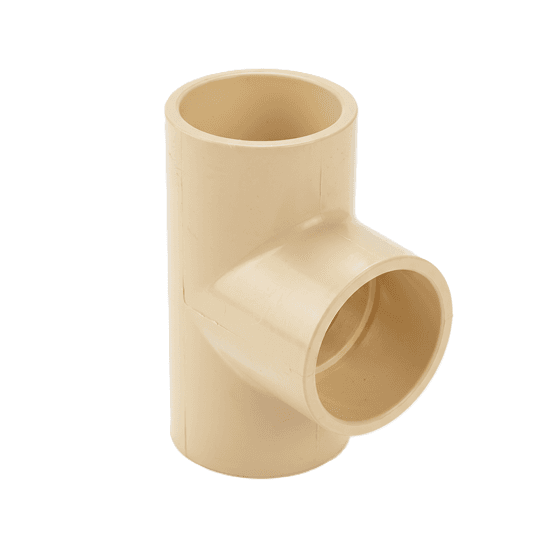
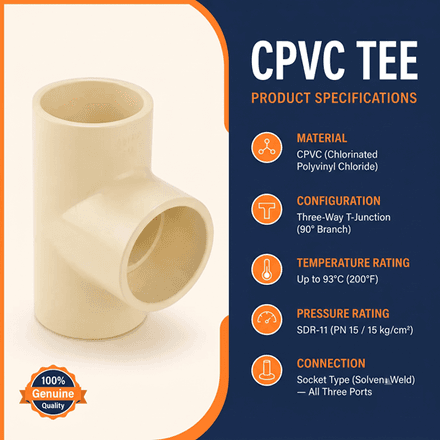
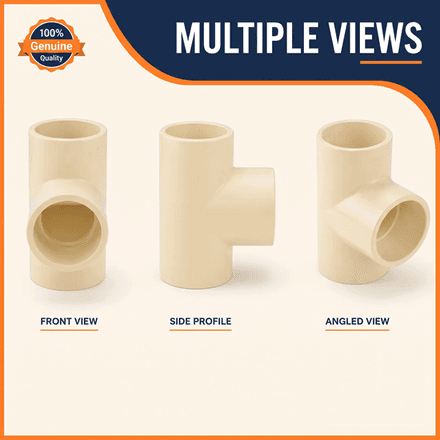
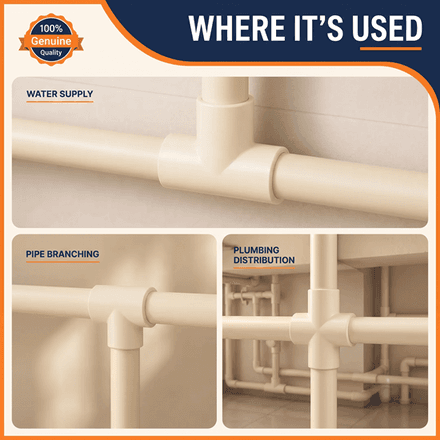
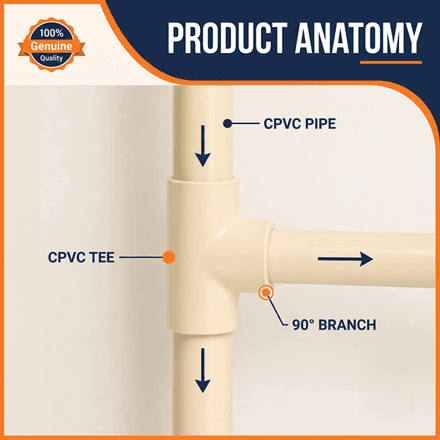
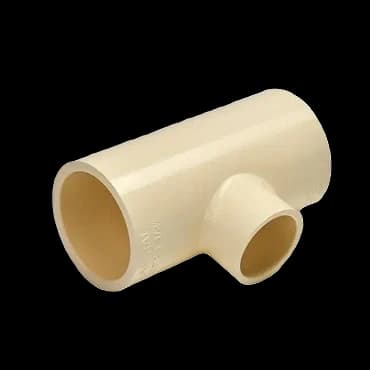
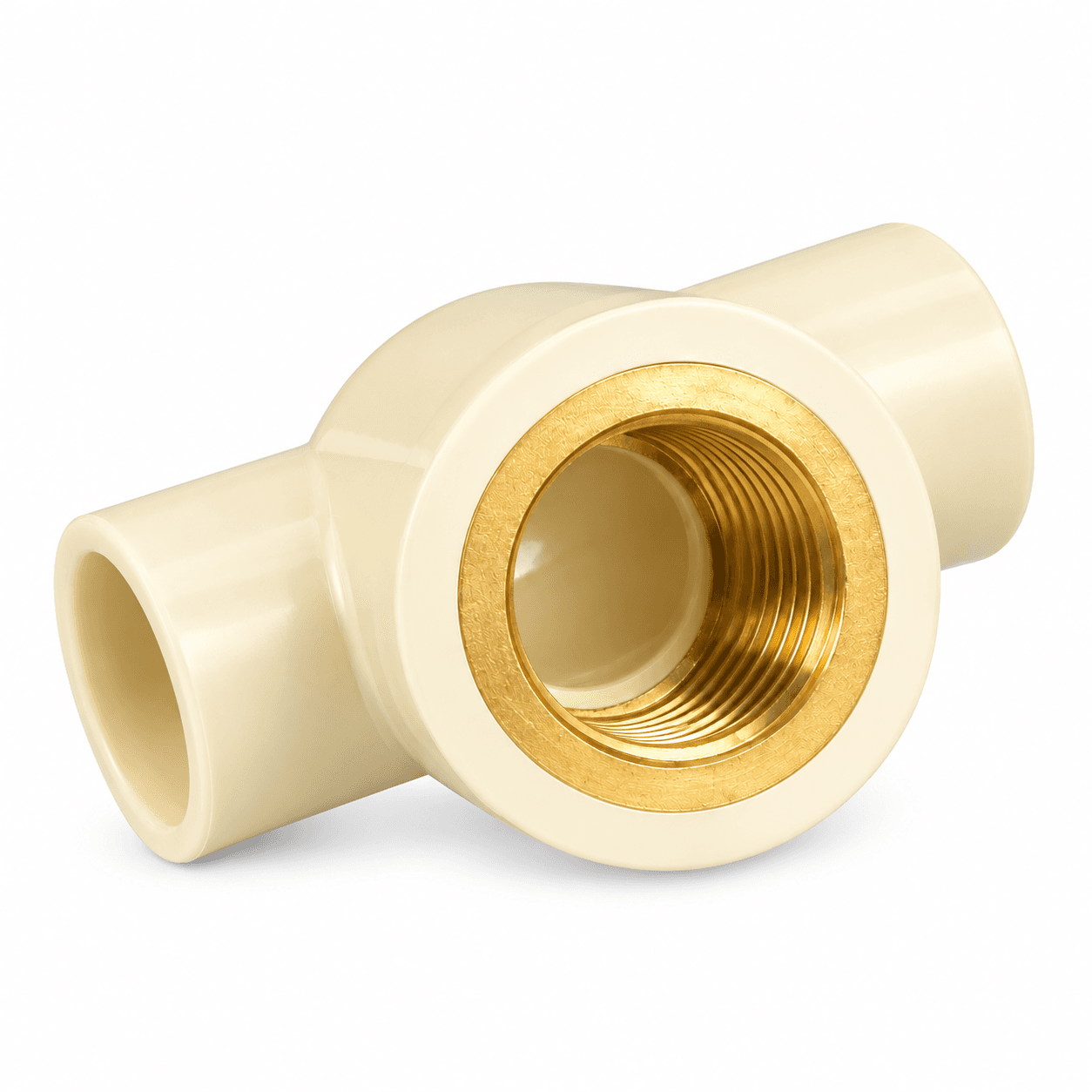
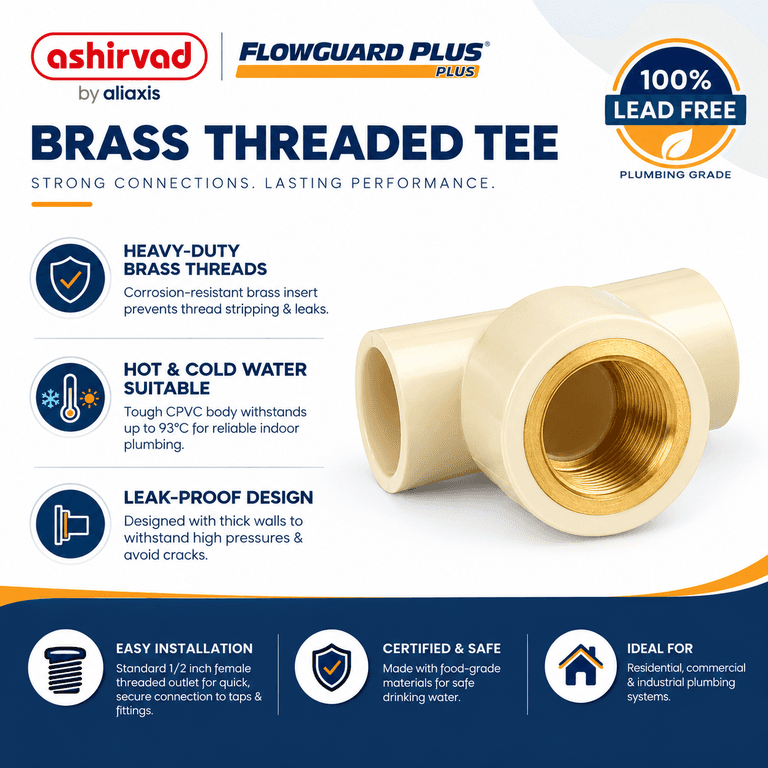
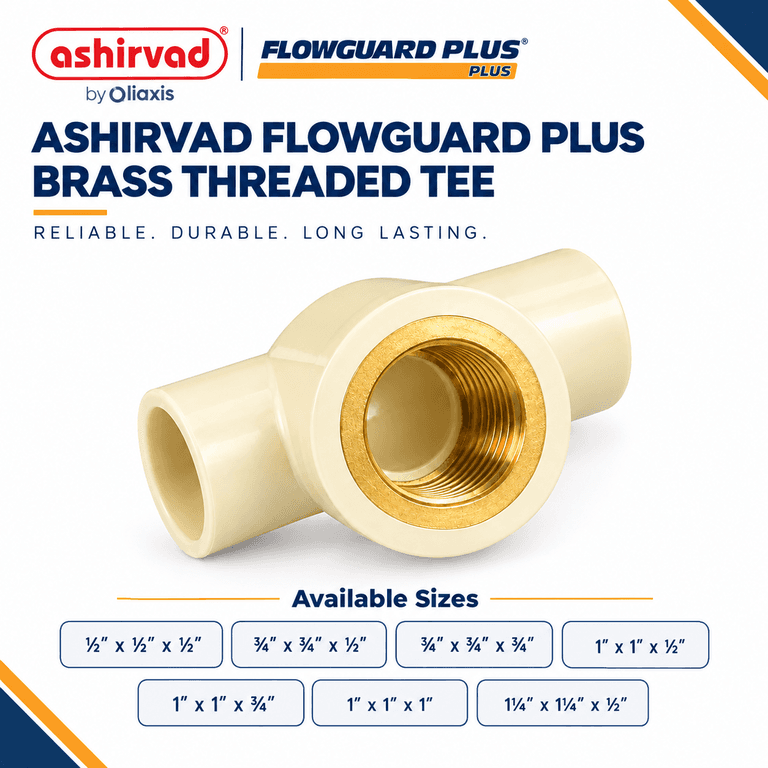
- CPVC tee - a three-way fitting that splits one line into two, used wherever a branch feeds off the main run to reach a tap or fixture. The cpvc pipe tee is one of the most-used fittings in any home.
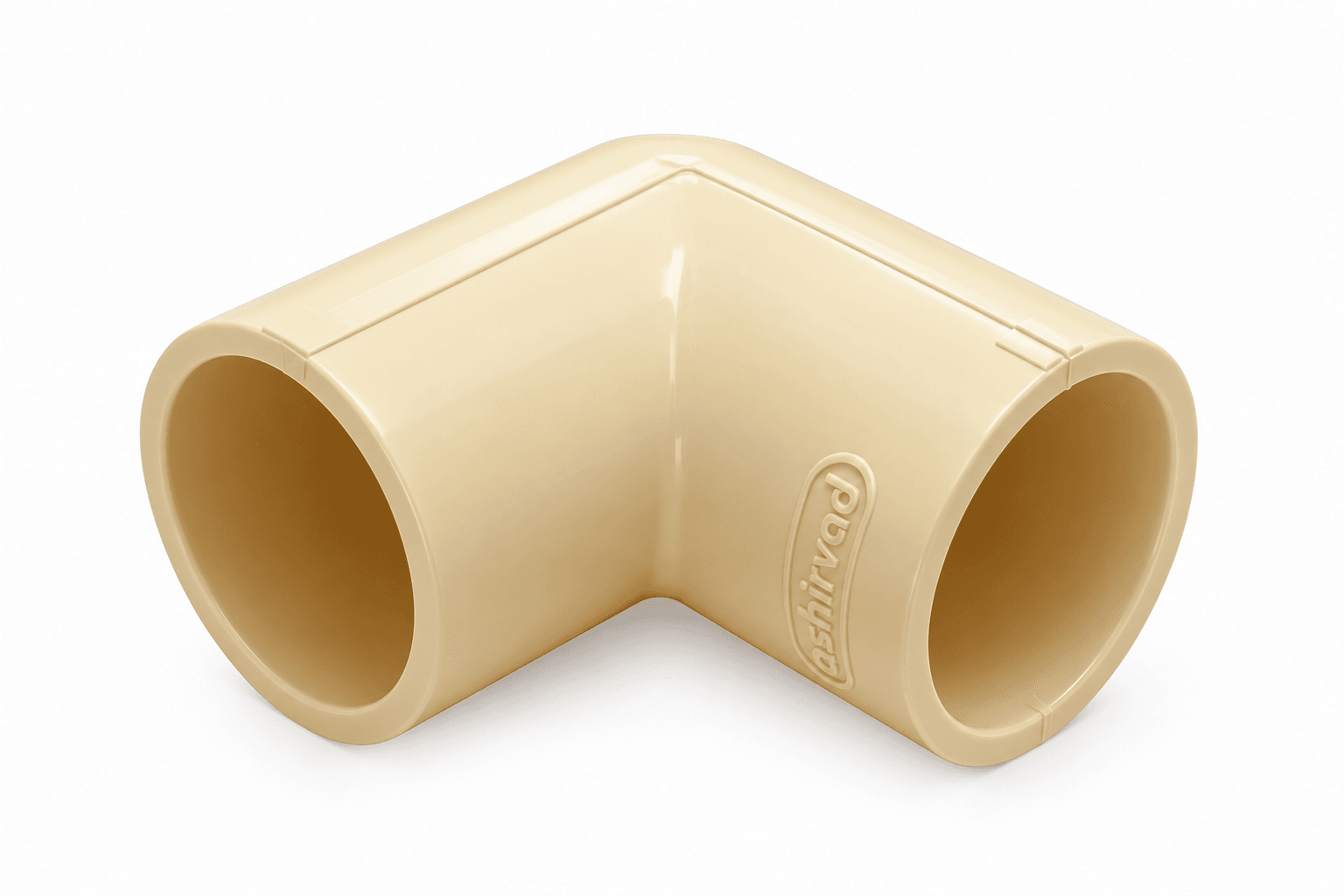
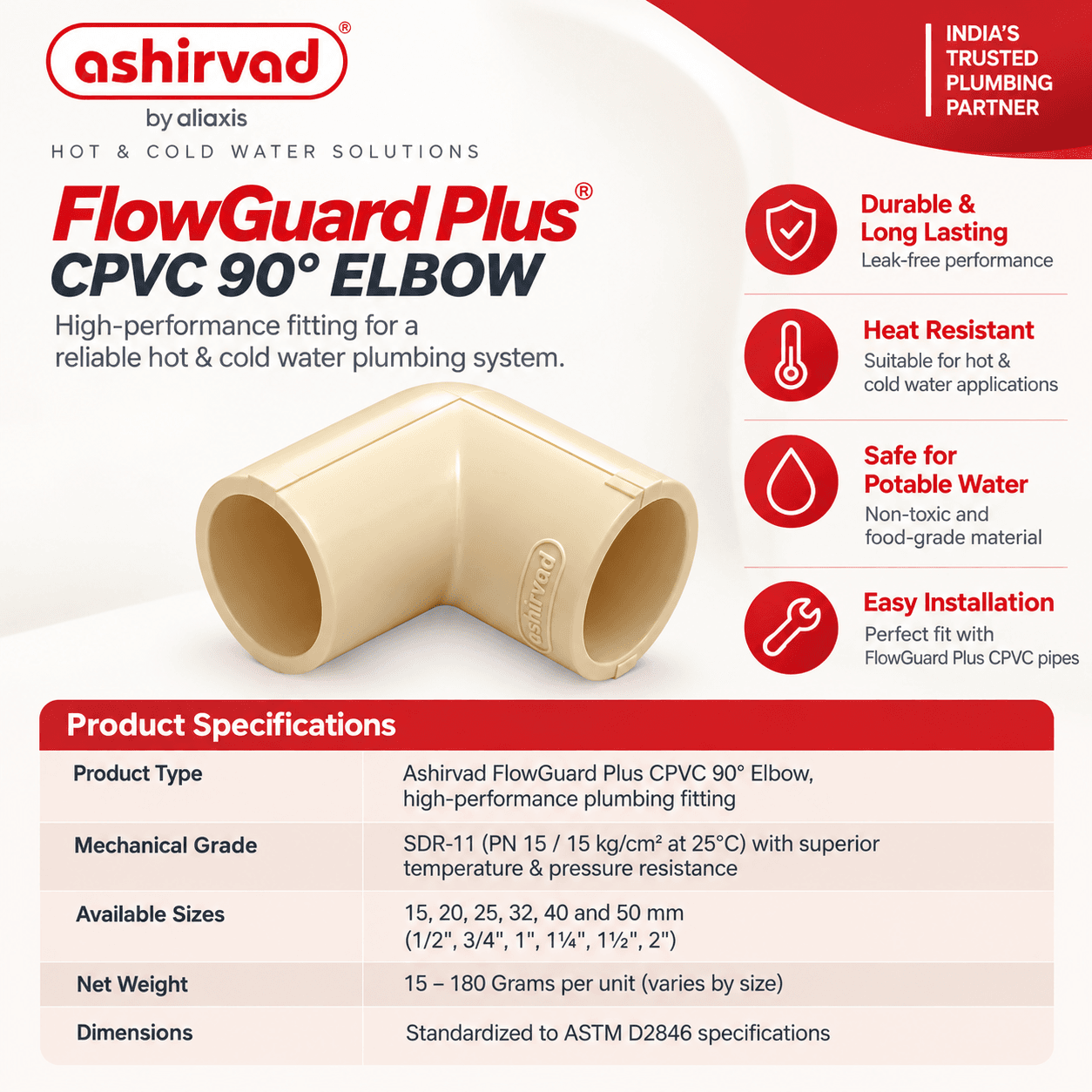
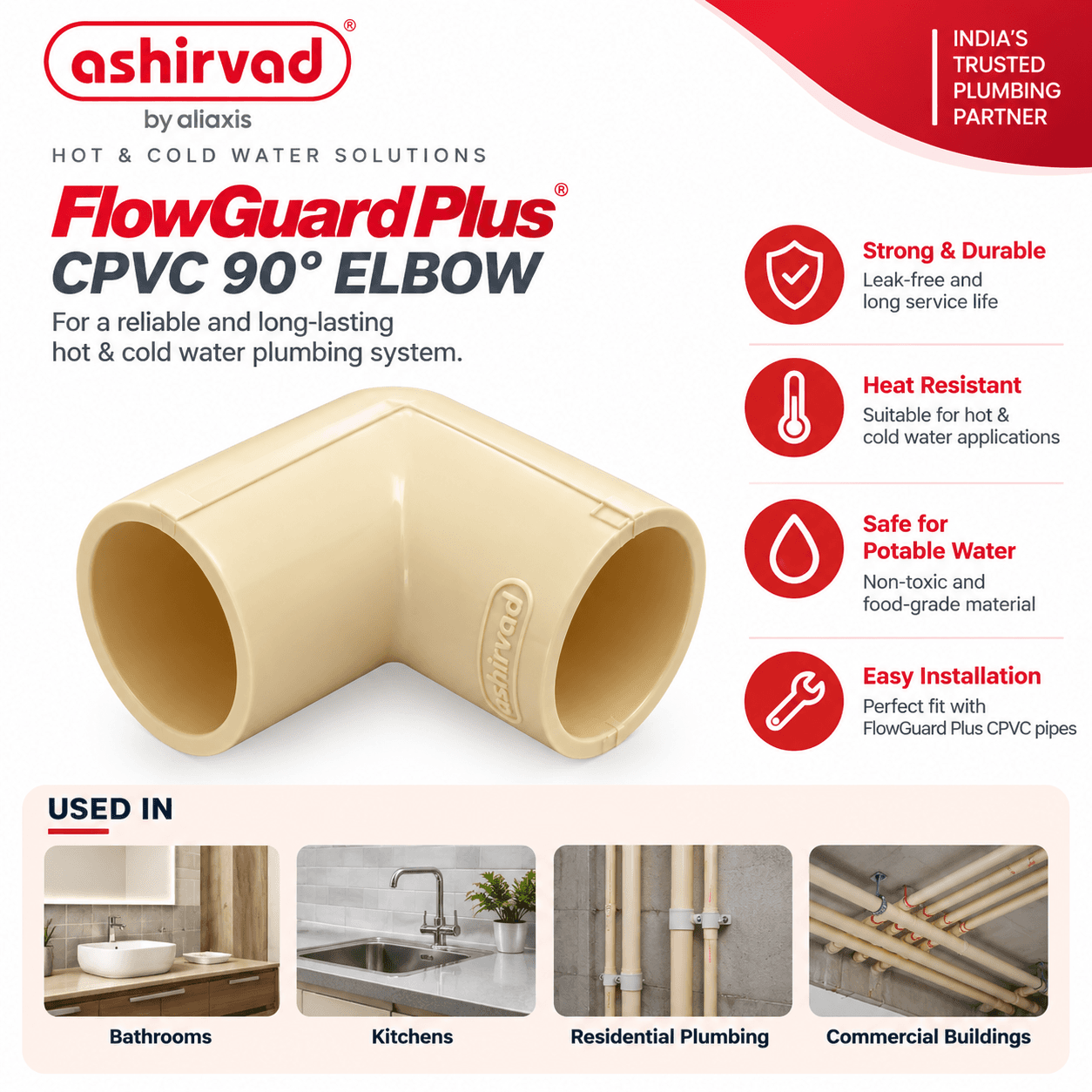
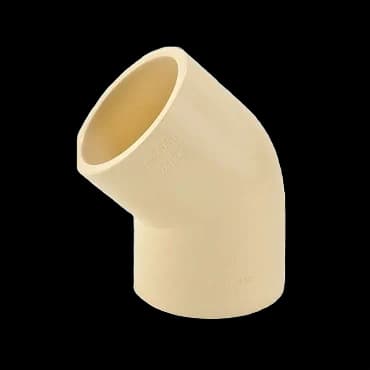
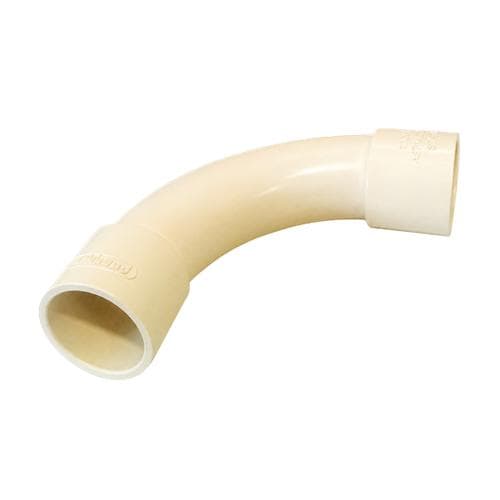
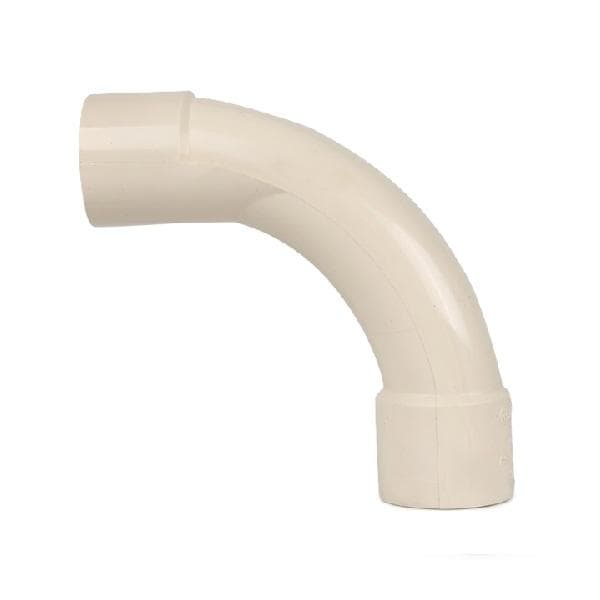
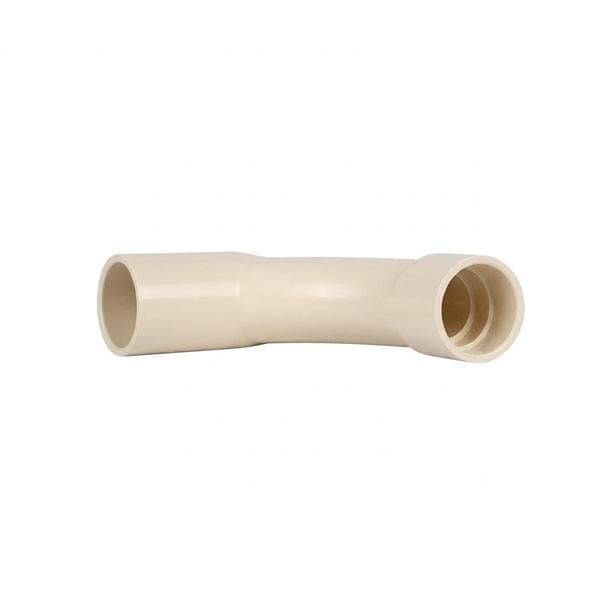
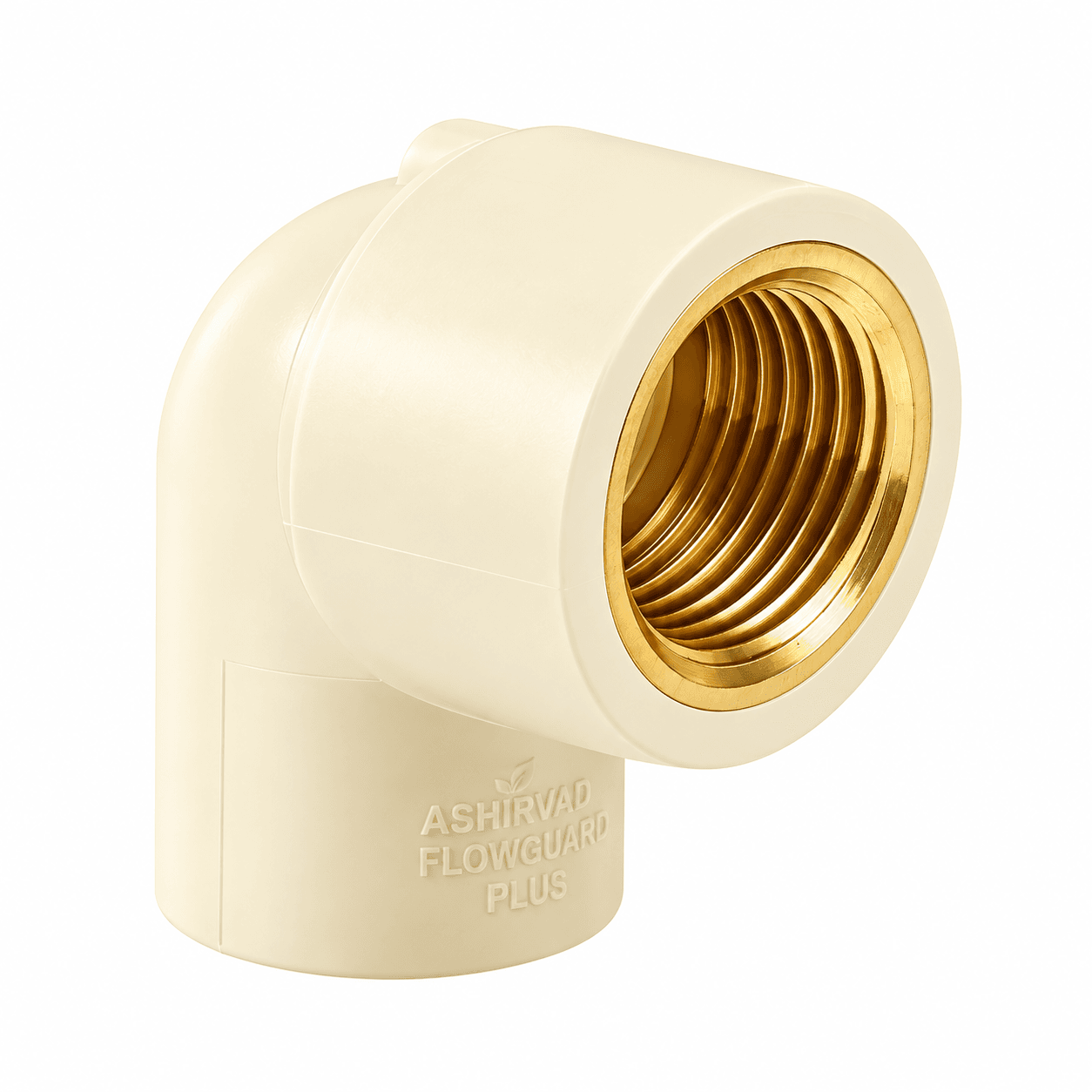
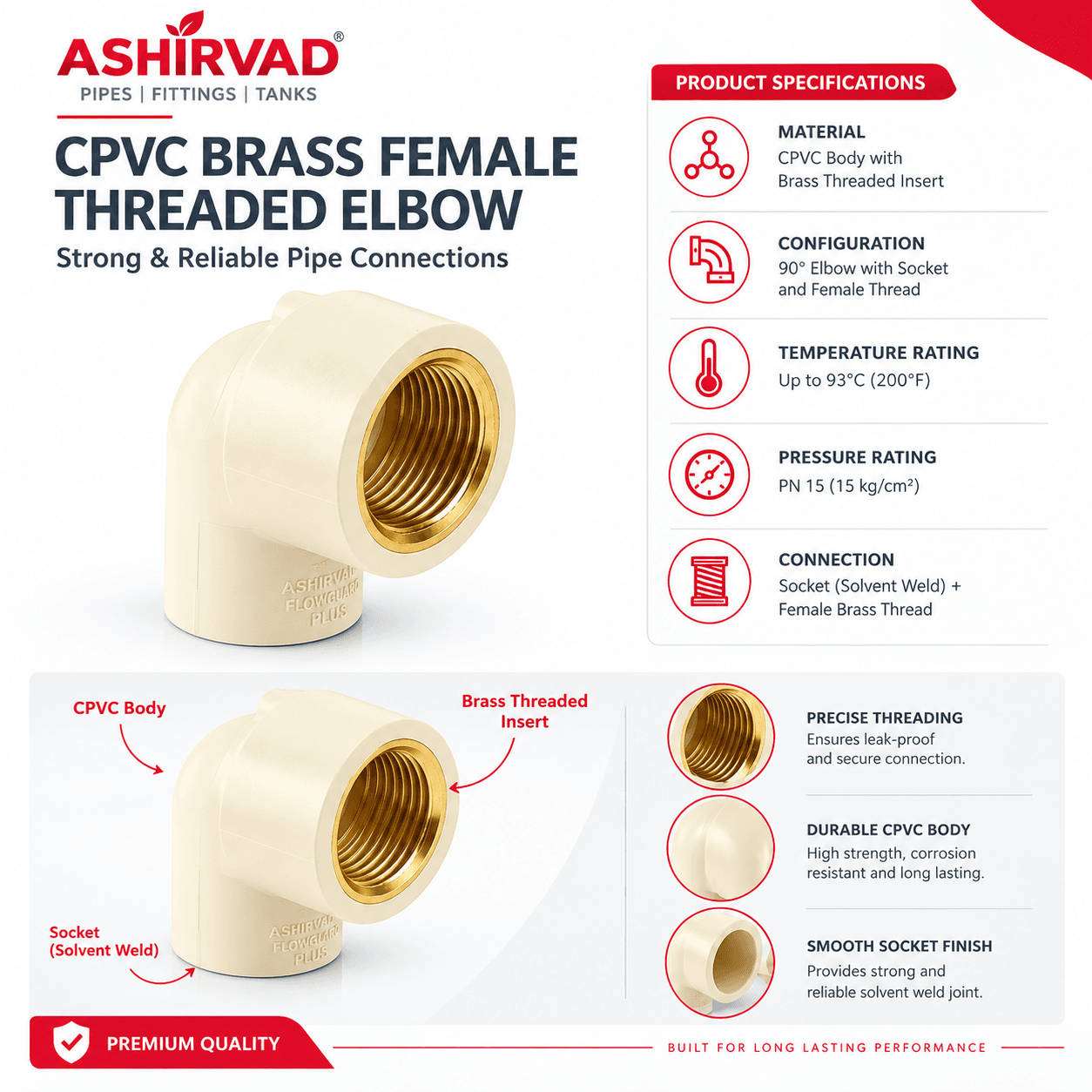
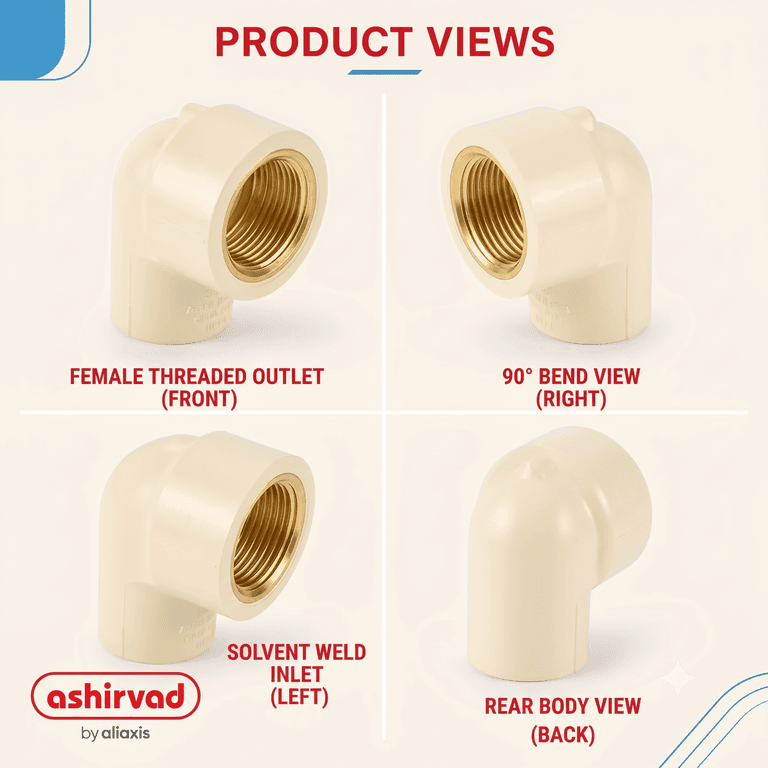
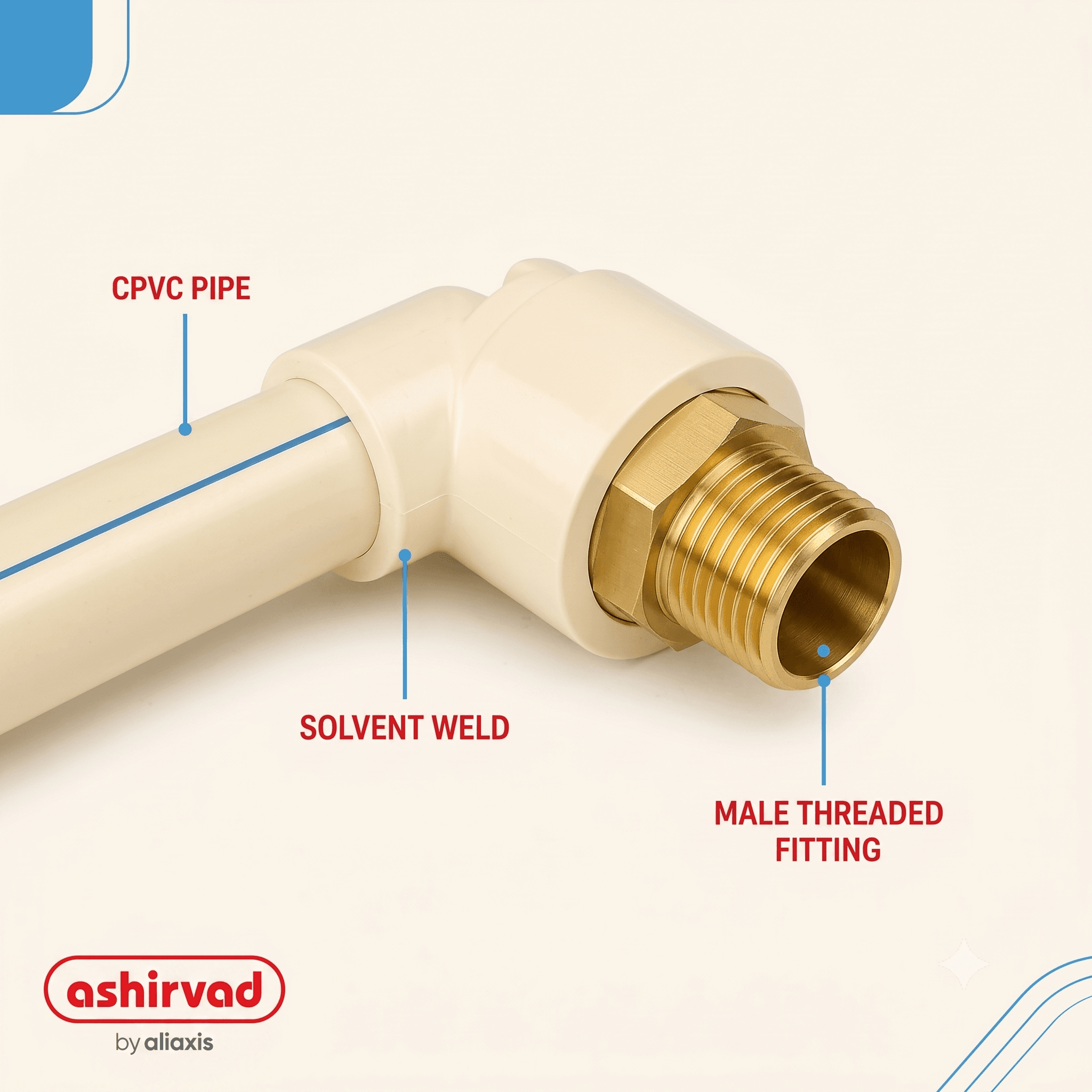
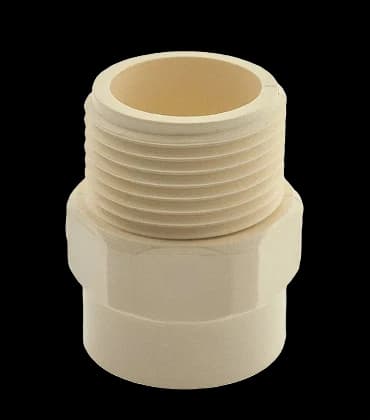
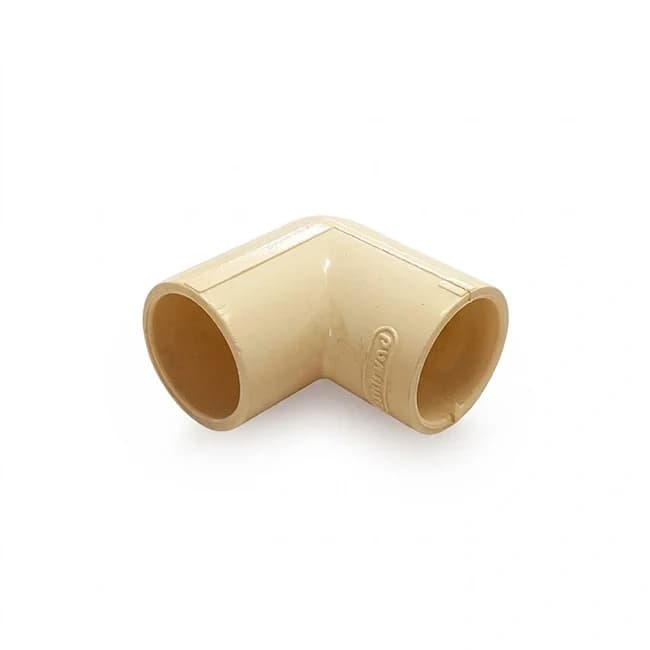
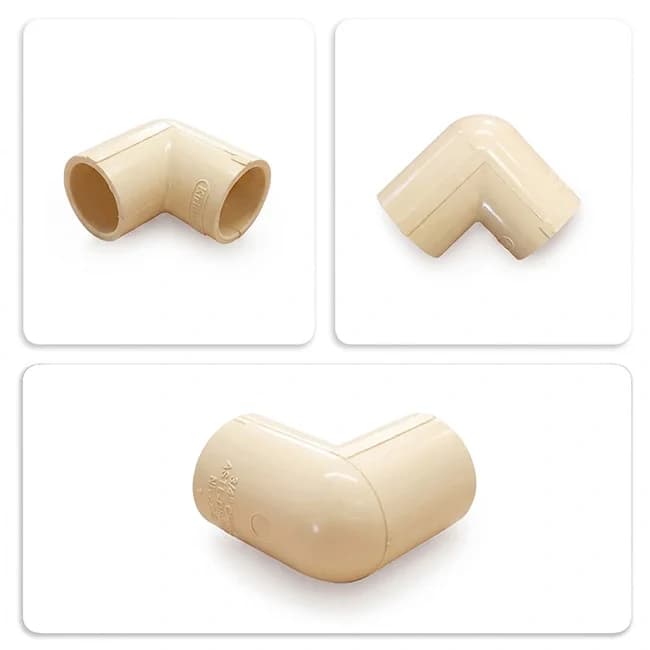
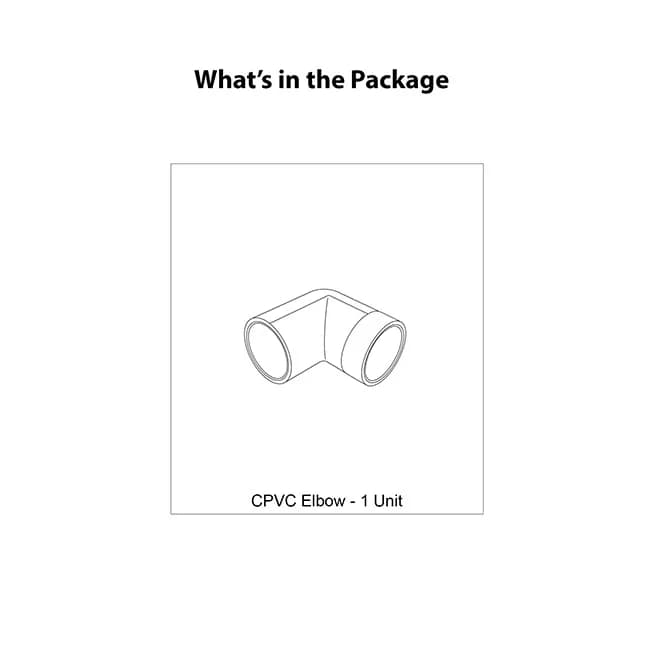
- Elbow - a 90 or 45 degree Ashirvad CPVC elbow that turns the pipe around a corner without kinking it, including brass-threaded versions at fixture connections.
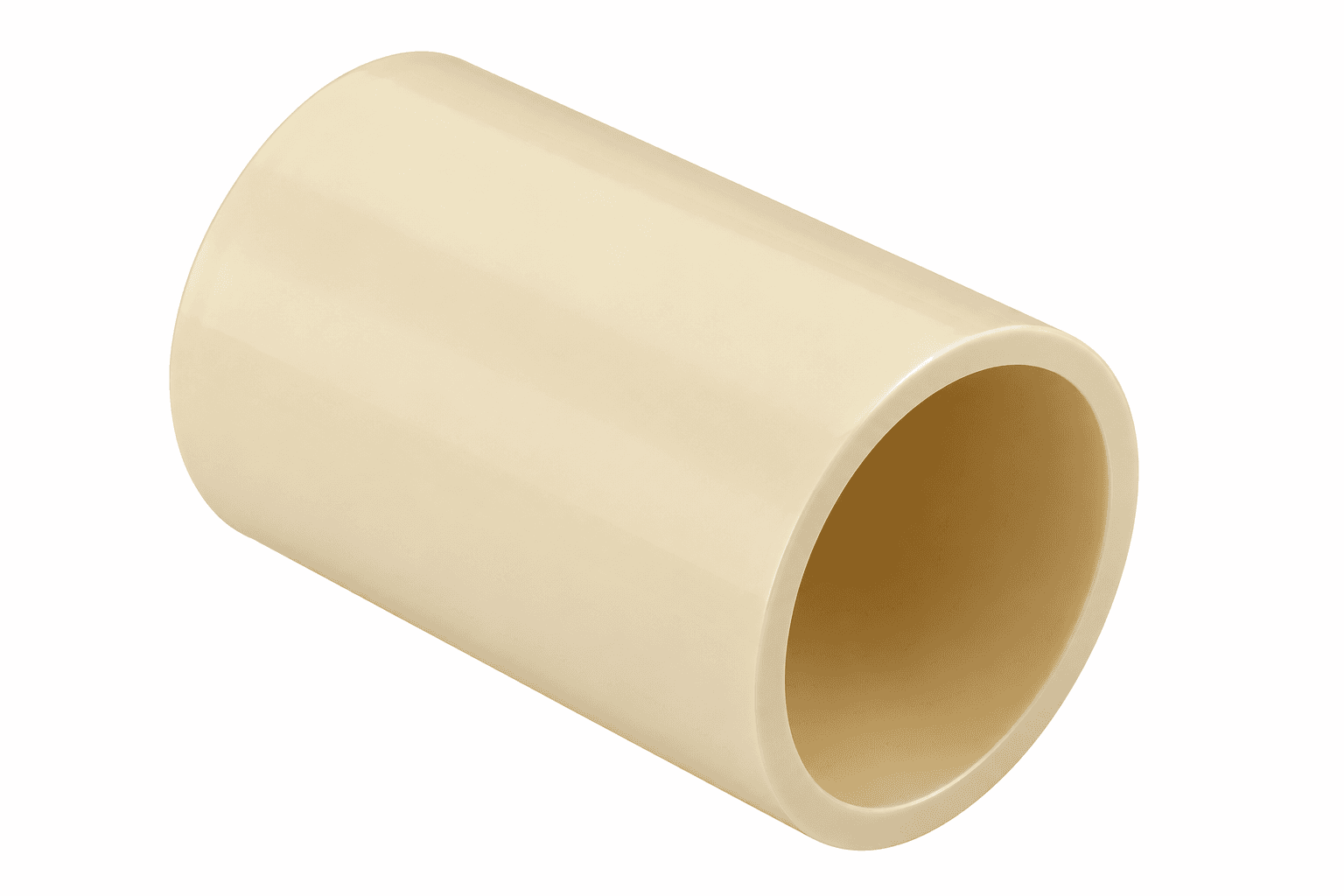
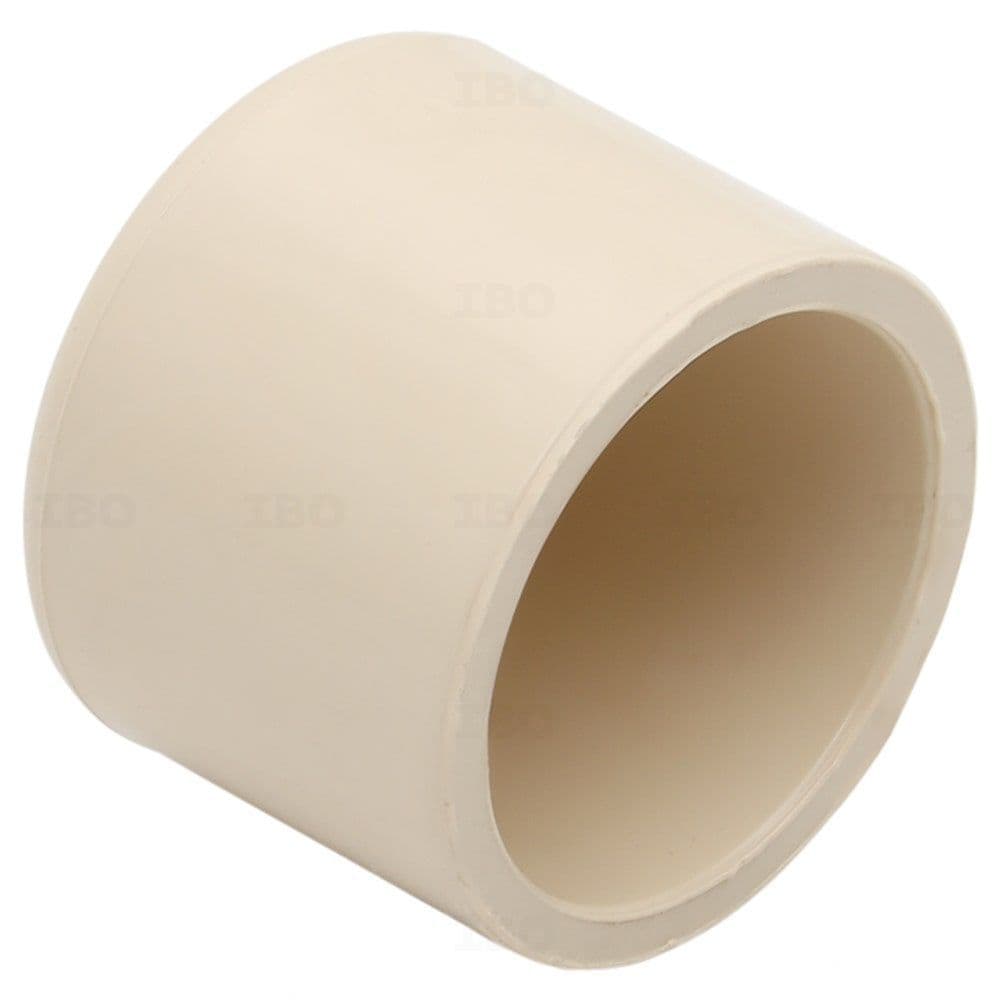
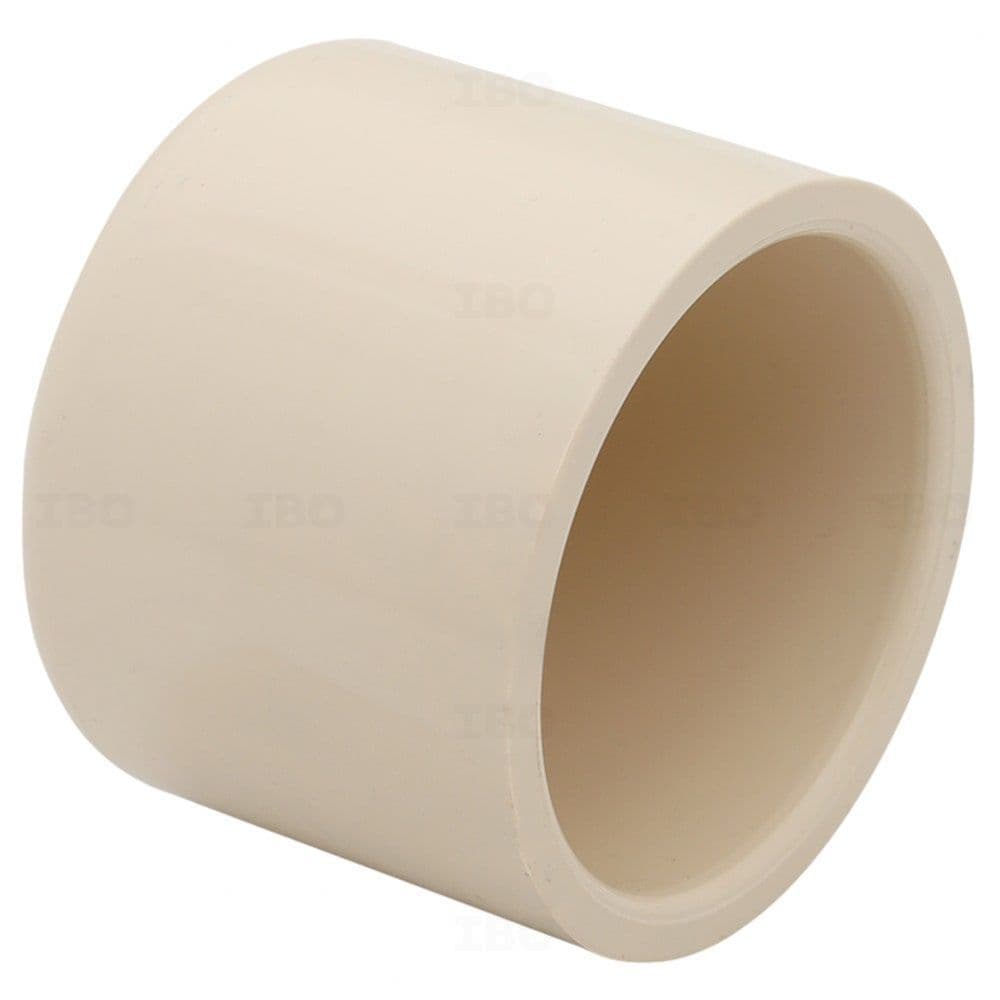
- Coupler - a straight connector that joins two lengths of pipe end to end.
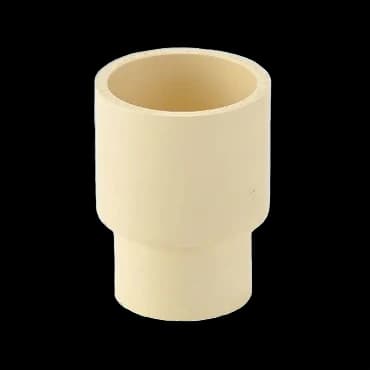
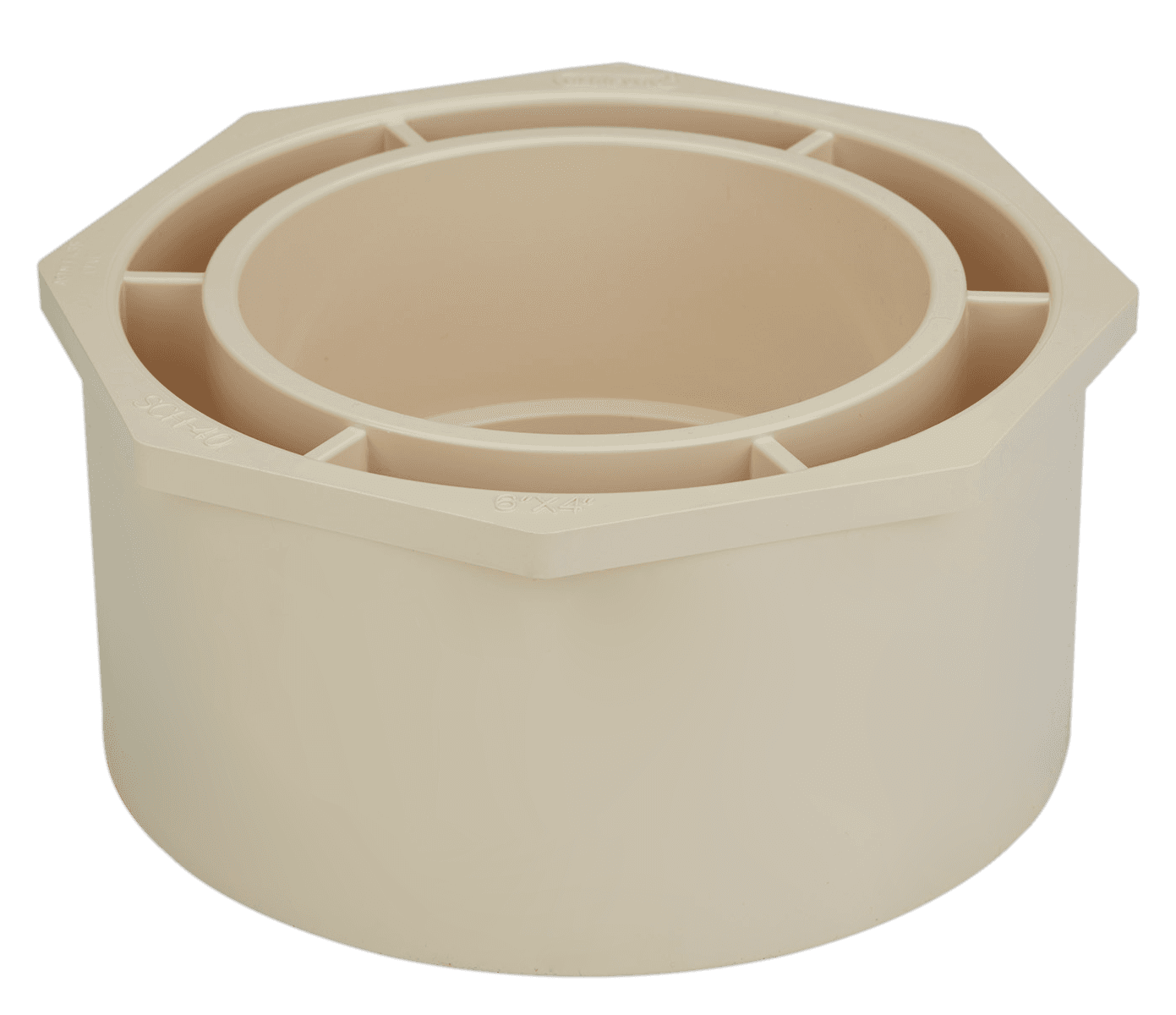
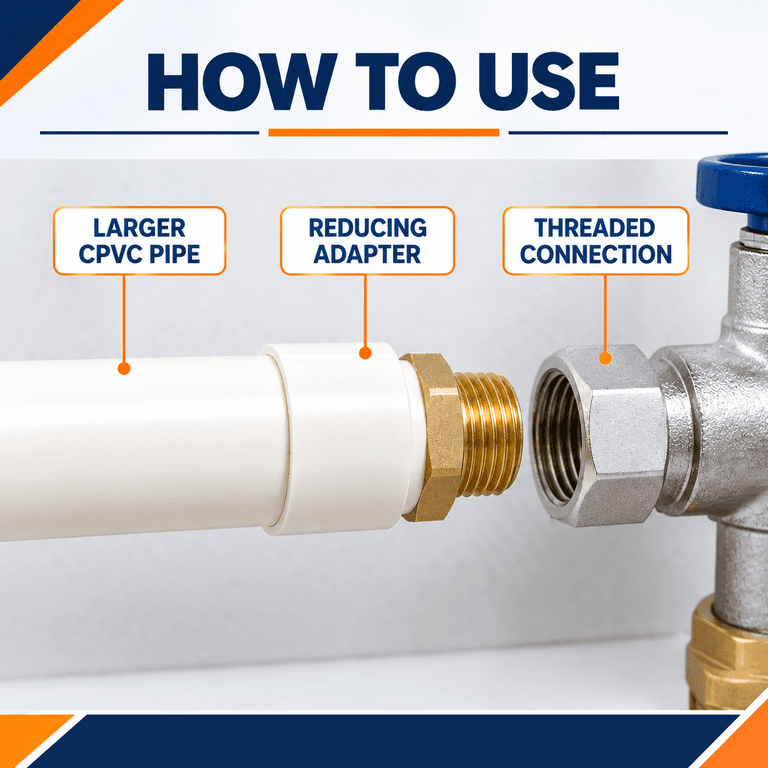
- Reducer / reducing bush - steps the pipe down from a larger to a smaller diameter, for example from a 3/4 inch riser to a 1/2 inch branch.
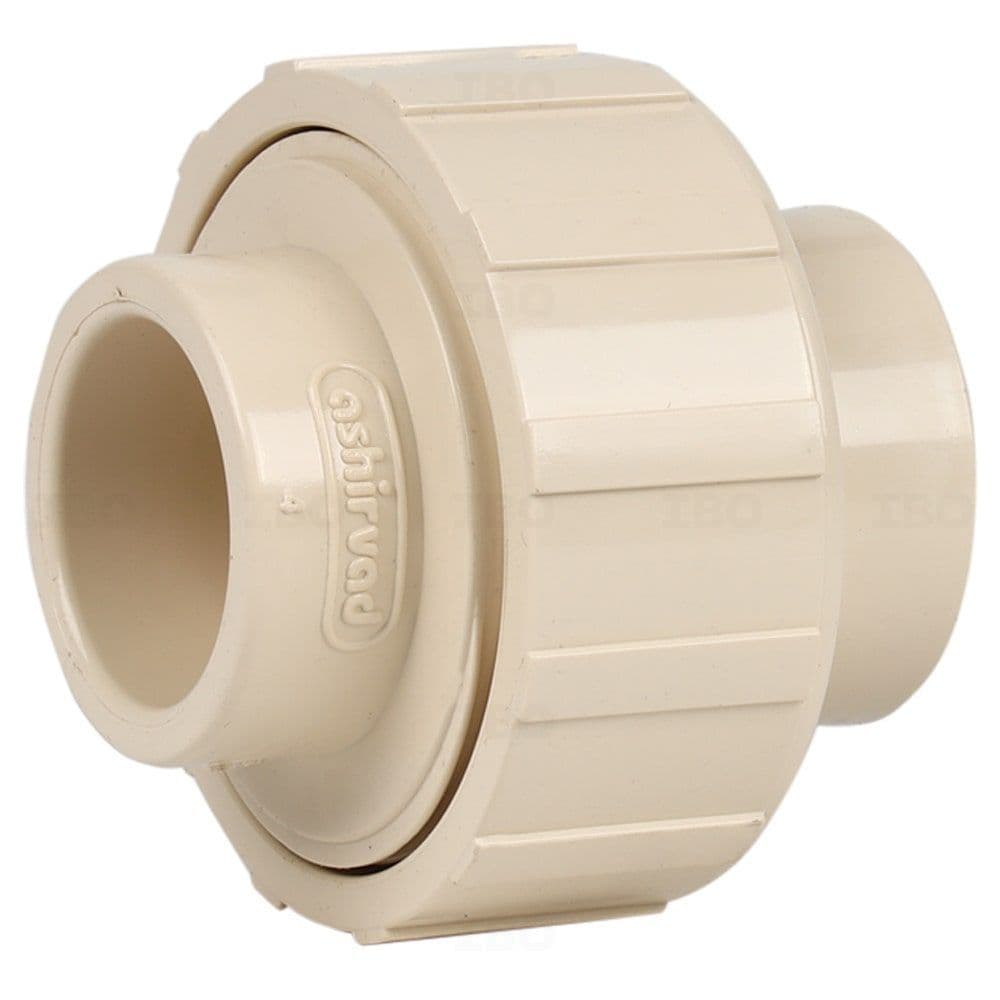
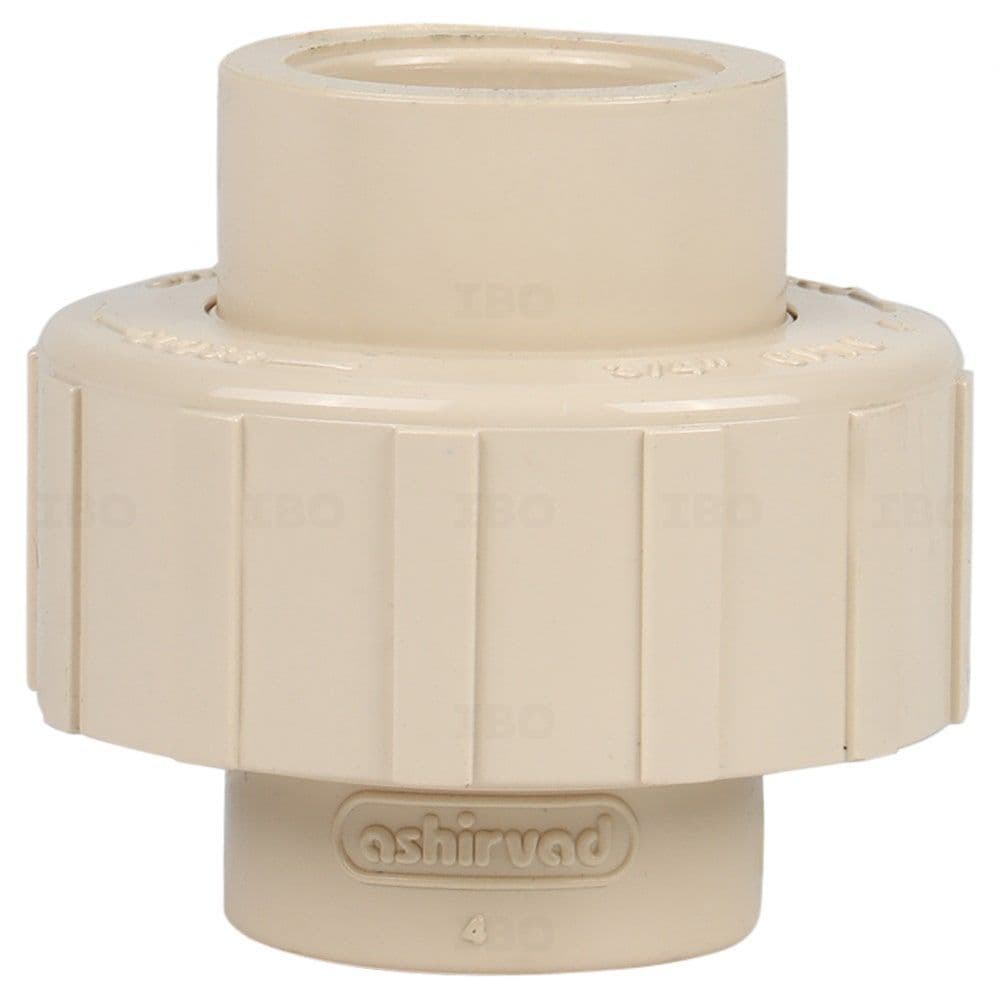
- Union - a demountable CPVC union that lets you disconnect a section later without cutting, useful before appliances and valves.
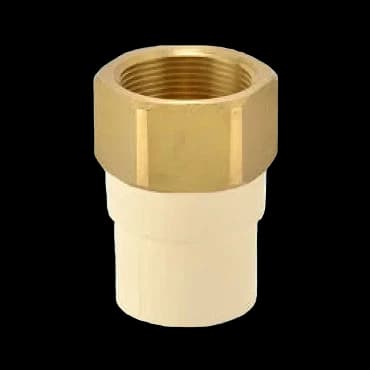
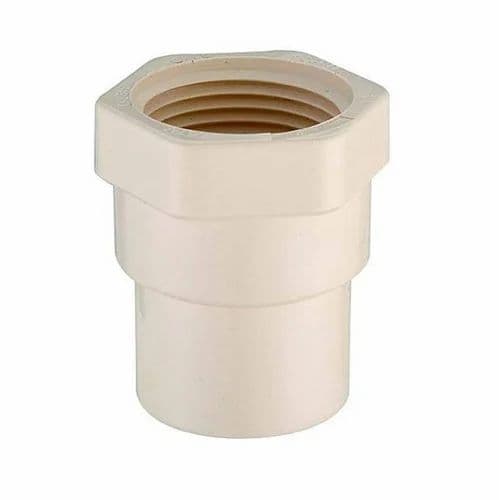
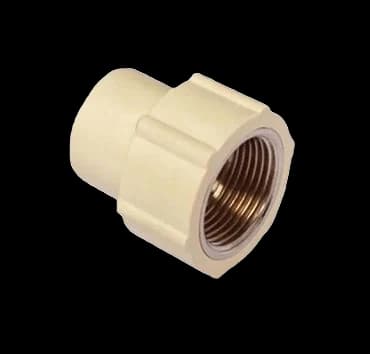
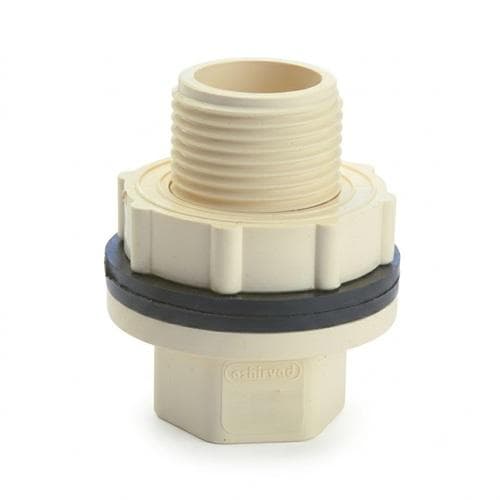
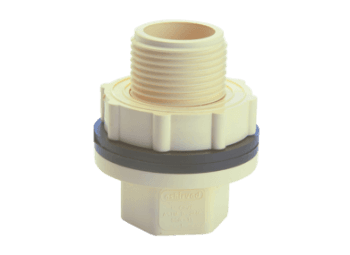
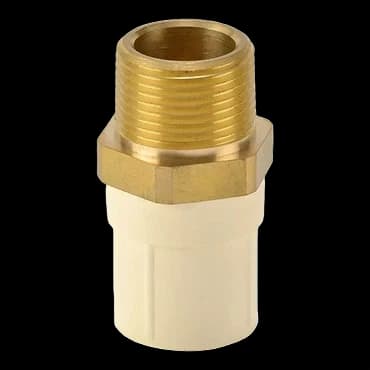
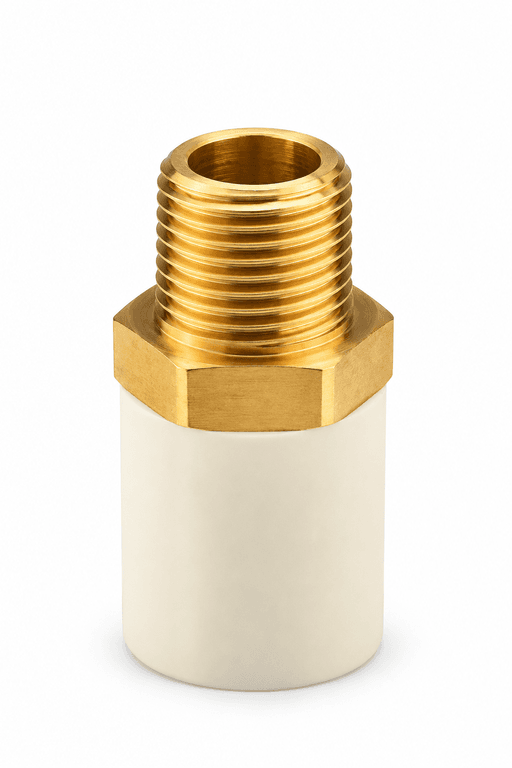
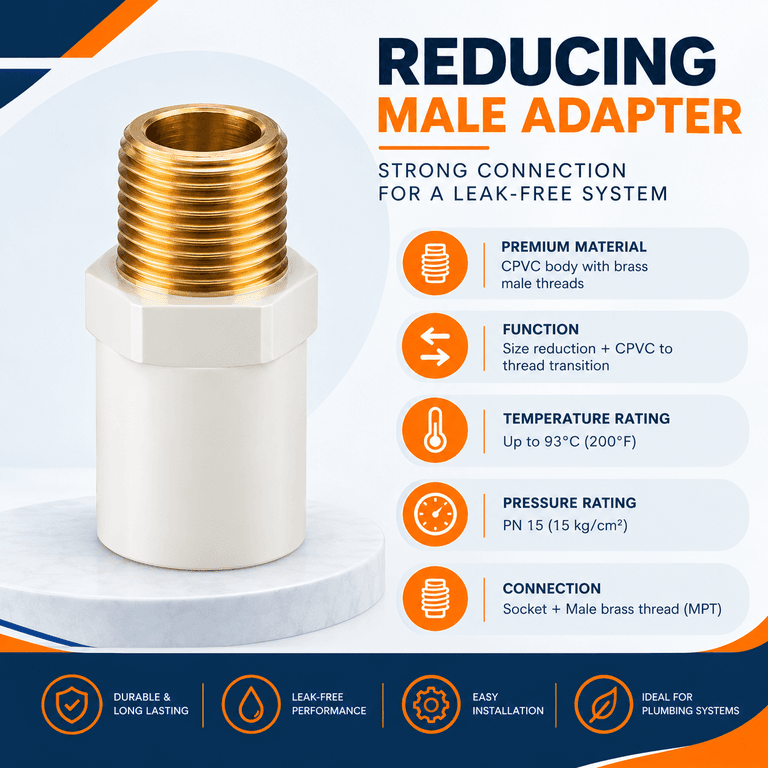
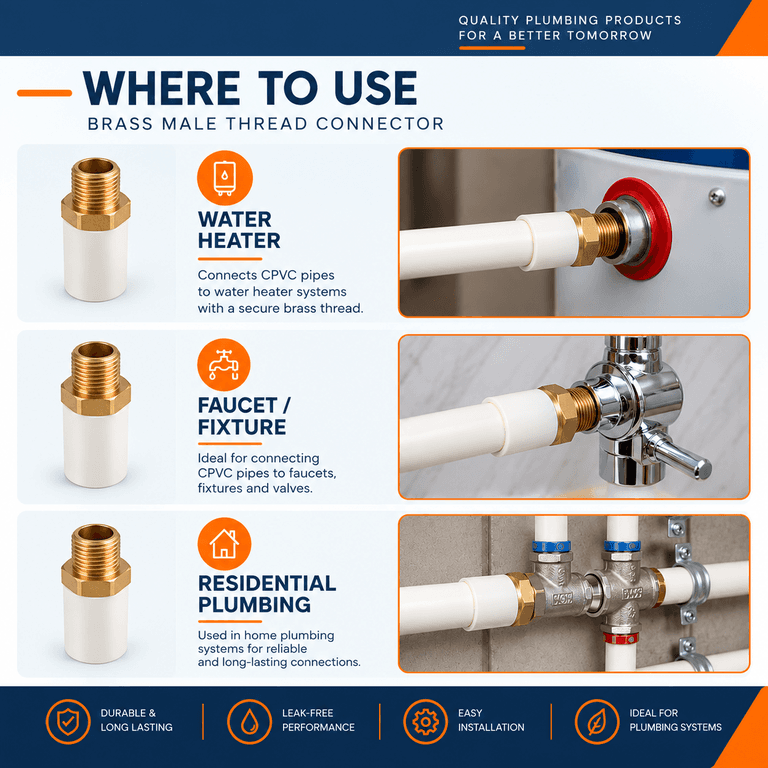
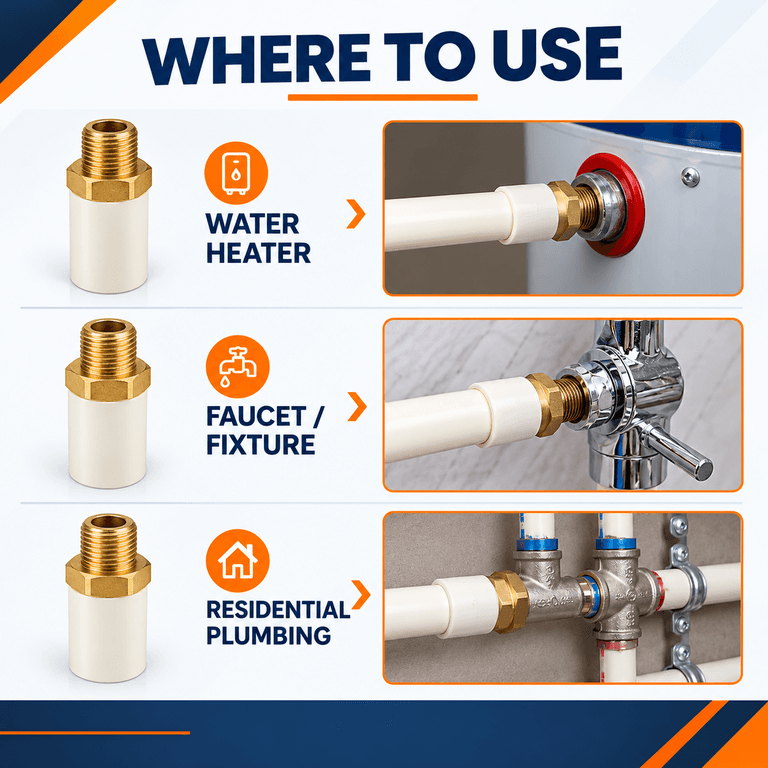
- Female and male threaded adaptors (FTA/MTA) - transition fittings that connect the solvent-welded CPVC system to threaded metal parts like taps, mixers and the water heater.
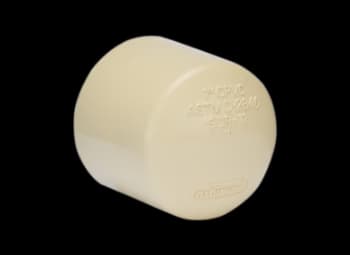
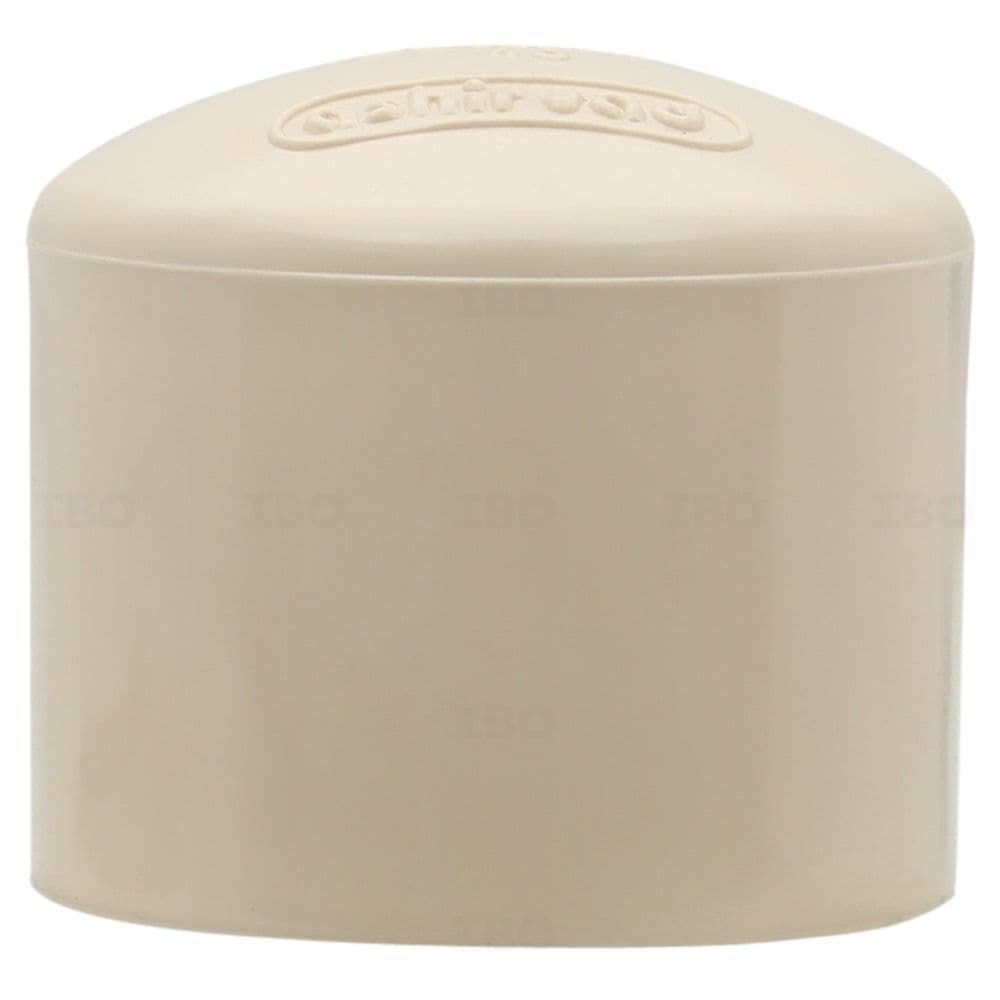
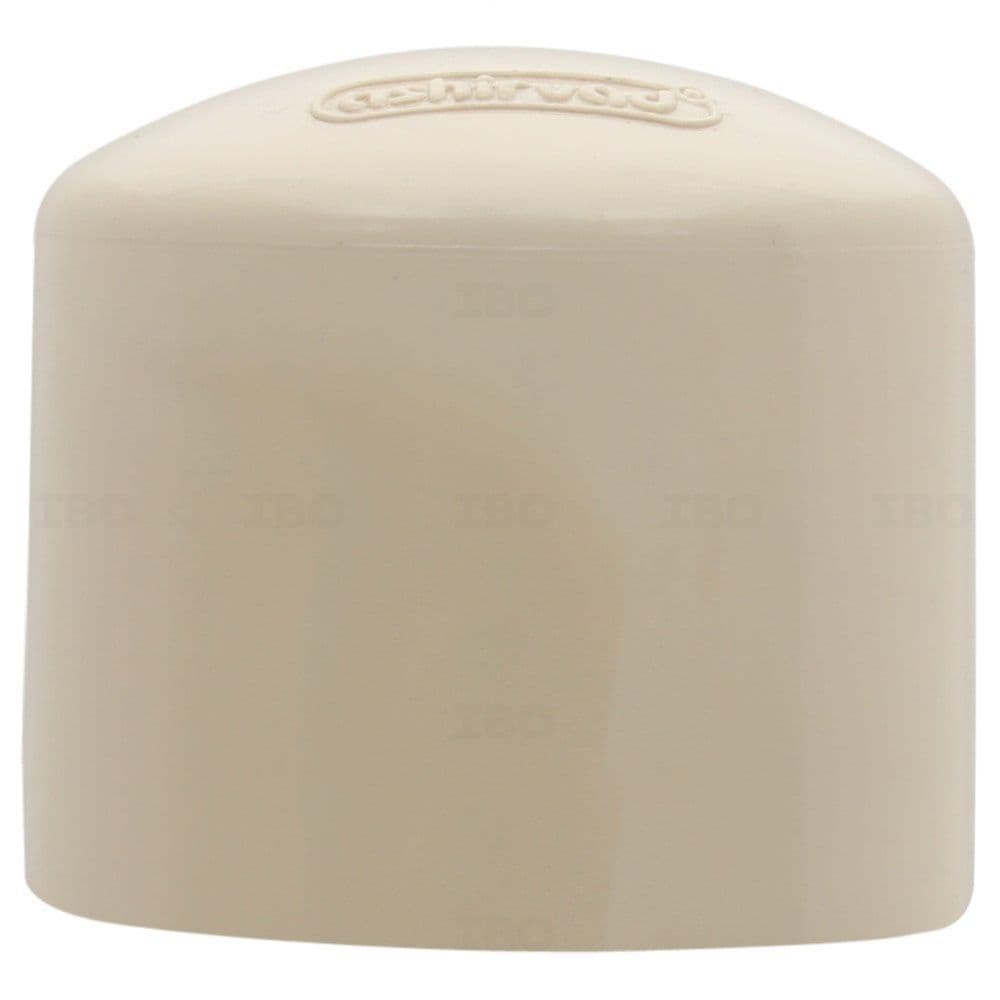
- End cap - closes off a line, used to pressure-test a run or cap a future connection.
Ashirvad CPVC ball valve: control and isolation
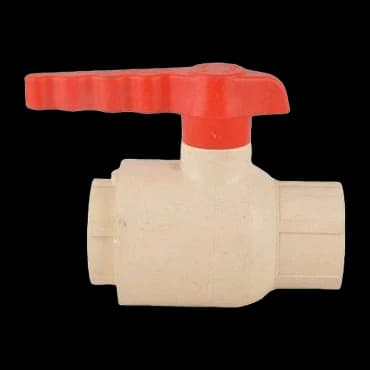
An Ashirvad CPVC ball valve lets you shut off water to a section of the house without draining the whole system - essential before a bathroom, a water heater, or any fixture you might need to service. Fitting isolation valves at sensible points is the difference between a five-minute tap repair and shutting off the entire building. Because the CPVC ball valve solvent-welds directly into the line, it becomes a permanent, leak-resistant part of the pipework rather than a threaded weak point.
CPVC solvent cement: the joint is only as good as the glue
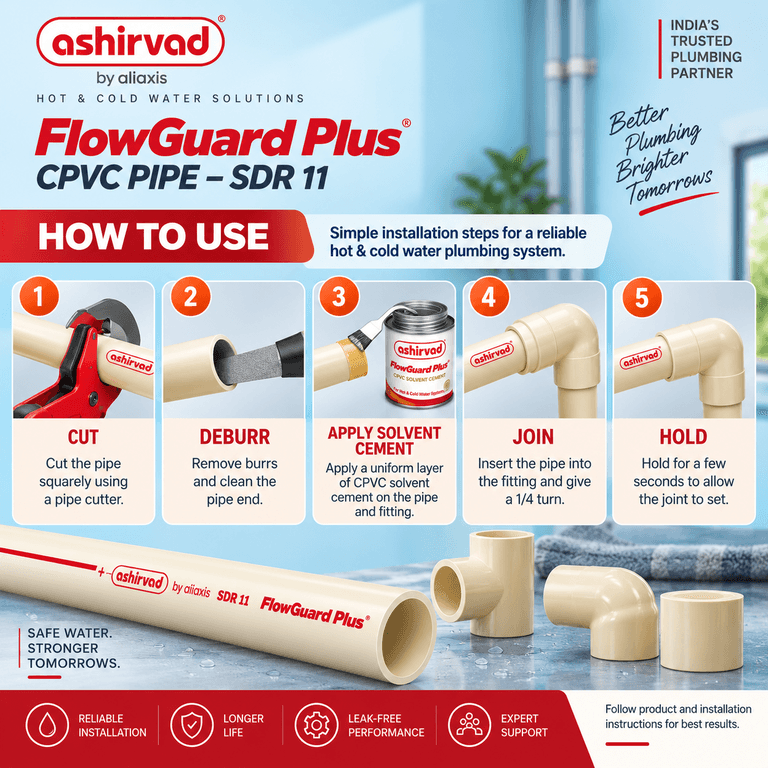
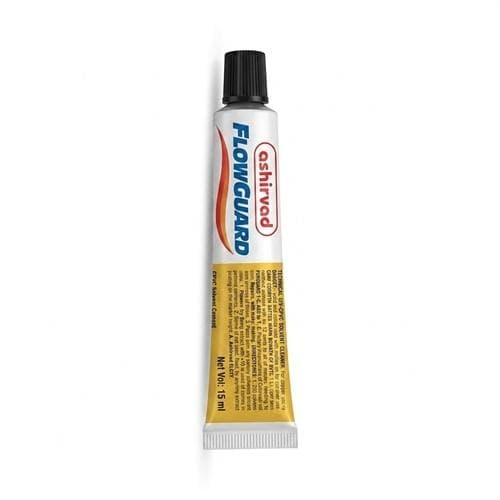
The most important product in this entire category is also the smallest - CPVC solvent cement. A solvent-weld joint is not glue in the ordinary sense; the solvent chemically softens the surfaces of both the pipe and the fitting so they fuse into a single piece as they cure. Use genuine Ashirvad Flowguard Plus CPVC solvent cement (never generic PVC glue on CPVC), apply an even coat to both surfaces, insert with a slight quarter-turn, and hold briefly. Give the joint the recommended cure time before pressurising the line. A rushed or dry-fit joint is the number one cause of leaks in an otherwise perfect CPVC system.
How much does CPVC pipe cost? CPVC pipe cost explained
CPVC pipe cost is driven by diameter, wall thickness (SDR grade) and length, while fitting cost depends on type and size. Because buyers compare on price, "cpvc pipe cost" and "fitting cpvc" are heavily searched - here is how to estimate a job sensibly.
- Larger diameters and thicker walls cost more per metre, so a 1 inch SDR 11 riser is dearer than a 1/2 inch branch.
- Fittings add up fast. A single bathroom can use dozens of tees, elbows, couplers and adaptors, so cost the fittings and solvent cement alongside the pipe, not as an afterthought.
- Buy a little extra pipe and a few spare common fittings. Running short mid-installation means a second trip and a risk of mismatched batches.
- Do not economise on solvent cement or valves. These are small line items that protect the whole system; a cheap joint compound or a failed valve costs far more than it saves.
To budget a full home, sketch the runs, count every direction change and branch as a fitting, measure total pipe length, and add roughly ten percent for cutting waste. That gives a far more accurate figure than comparing headline cpvc pipe cost per length alone.
Why Fixxly for CPVC pipes and fittings
Fixxly is a single platform for an entire renovation, and CPVC is one part of a plumbing range that sits within ten full categories - from electrical and paint to wood, hardware and bath fittings. The advantage is that plumbing is never just pipe: on Fixxly, every CPVC product is genuine Ashirvad, so the pipe, fittings, ball valves and solvent cement are guaranteed to match and weld together, then you can add the water heater, tank and fixtures the same line will feed, all in one order, delivered in 30 minutes.
| Fixxly | Others | |
|---|---|---|
| Brand assurance | Every CPVC pipe, fitting and solvent cement is genuine Ashirvad – one matched, size-compatible system | Mixed or unbranded fittings, compatibility not guaranteed |
| Delivery speed | 30 minutes, quick delivery | Same-day if in stock locally, otherwise 1-5 days |
| Complete system in one order | Pipe, tees, elbows, unions, ball valves and Ashirvad solvent cement together | Usually needs multiple shops or sellers to gather a matched system |
| Returns on a bad fitting | Straightforward replacement policy | Policies vary, and can be slow for small parts |
Frequently asked questions about CPVC pipes and fittings
What is the difference between CPVC and PVC pipe?
PVC is suitable for cold water and drainage but softens under hot water, while CPVC is chemically modified to withstand hot water up to around 93 degrees Celsius. For any line carrying hot water - from a geyser or solar heater - you need CPVC pipe, not PVC. They also use different solvent cements, so the two systems should never be joined with the wrong glue.
Is Ashirvad a reliable CPVC brand?
Yes - Ashirvad is a leading Indian CPVC pipe manufacturer, and every CPVC pipe, fitting and solvent cement on Fixxly is genuine Ashirvad Flowguard Plus. Buying the whole system from one manufacturer is what guarantees the pipe, fittings and cement are compatible and weld together reliably.
Which solvent cement should I use on CPVC?
Always use a solvent cement specifically labelled for CPVC - Fixxly stocks genuine Ashirvad Flowguard Plus solvent cement for this reason. Generic PVC cement does not create a reliable weld on CPVC and is a common cause of leaks. Apply it to both surfaces, insert with a slight twist, and allow the full cure time before pressurising.
How many CPVC fittings do I need for a bathroom?
It varies with the layout, but a single bathroom typically needs several tees to branch off to the basin, shower and WC, multiple elbows for corners, couplers to join lengths, reducers where sizes change, threaded adaptors at each fixture, and at least one ball valve to isolate the room. Counting each direction change and branch as a fitting when you plan the run gives an accurate list.
How is CPVC pipe cost calculated?
CPVC pipe cost depends on diameter and wall thickness, with larger and thicker pipe costing more per metre. To budget a job, add the cost of all fittings and solvent cement to the pipe length, and include around ten percent extra for cutting waste. Fittings and valves often add up to a significant share of the total, so never price the pipe alone.
Explore other categories
Plumbing is one part of a full renovation, and Fixxly carries every category that connects to it. Once the water lines are in, add a water heater and wire it safely with wires and cables and switches, sockets and plates. Finish the bathroom with sanitaryware and health faucets and bath accessories, protect wet walls with waterproofing compounds and tile adhesives and grouts, then refresh the surfaces with interior paints. For the installation itself, stock up on hand tools and power tools. Every trade you need for a complete home sits together on Fixxly.

Built to support
every job,
big or small
FIXXLY